Massage Therapist
Also known as: MT, Masseuse, Masseur
A massage therapist is a healthcare professional who uses hands-on techniques to manipulate muscles and other soft tissues in the body. Their main goal is to help clients reduce stress, alleviate pain, improve circulation, and enhance overall well-being. This role combines a deep understanding of human anatomy with a caring touch to promote physical and mental health.
10
Skills to Learn
4
Career Levels
5
Top Companies
1
Education Paths
Sneak Peek
Do you have a knack for helping others feel their best through the power of touch? Imagine a career where you can directly impact people's well-being, relieve their stress, and help them move more freely.
What does a Massage Therapist do?
A massage therapist is a healthcare professional who uses hands-on techniques to manipulate muscles and other soft tissues in the body. Their main goal is to help clients reduce stress, alleviate pain, improve circulation, and enhance overall well-being. This role combines a deep understanding of human anatomy with a caring touch to promote physical and mental health.
- Salary in India
- ₹2.5 to ₹6 lakh a year
- Demand
- Growing
- Remote work
- Hybrid
- Industry
- Healthcare
Is This Career For You?
Discover if your personality matches this career
Your Personality Fit (RIASEC)
Driven by helping others and providing care.
Enjoy hands-on work and practical problem-solving.
Curious about how the body works and responds to touch.
Appreciate the creative and intuitive aspects of massage.
Motivated by client interaction and building a practice.
Benefit from structured environments and clear procedures.
You'll Love This Career If...
Like what you see? Get full access.
Save this career, compare with others, and get your personalized career plan.
50,000+ students already signed up
A Day in the Life
What your typical workday looks like
Your day typically starts by preparing your treatment space, ensuring it’s clean, calm, and has all the necessary supplies. You’ll greet clients, discuss their needs and any areas of discomfort, and then guide them through a massage session tailored to their specific goals, whether it's to relieve muscle tension, reduce stress, or aid in recovery from an injury. Between clients, you’ll update their notes, sanitize your space, and prepare for the next appointment. Some therapists may work independently, managing their own schedule and clientele, while others might be part of a larger spa or clinic, collaborating with other wellness professionals.
Myth vs Reality
Tap to reveal the truth behind common misconceptions
Skills You'll Need
Master these to excel in this career
Technical Skills
3Anatomy Knowledge
Understanding of human body structure for effective massage techniques.
Hygiene Practices
Knowledge of sanitation and cleanliness in a spa setting.
Manual Dexterity
Skill in performing precise and effective massage techniques.
Soft Skills
5Client Communication
Ability to clearly explain treatments and interact with clients.
Stress Management
Techniques to handle work-related stress and maintain professional demeanor.
Empathy
Ability to understand and share the feelings of clients.
Customer Service
Providing excellent service and ensuring client satisfaction.
Time Management
Efficiently managing appointment schedules and client flow.
Domain Skills
2Marketing Skills
Basic understanding of promoting services and attracting clients.
Business Acumen
Understanding of managing a spa or massage therapy business.
Tools of the Trade
Software and tools you'll work with daily
Hardware
Massage table
A sturdy table designed to support a client comfortably during a massage session.
Massage oils and lotions
Lubricants used to reduce friction between the therapist's hands and the client's skin, allowing for smoother strokes.
Linens and towels
Used for draping clients to ensure privacy and warmth, as well as for cleaning.
Therapeutic creams and balms
Specialized topical products that may be used for targeted pain relief or muscle relaxation.
Software
Appointment scheduling software
Digital tools to manage client appointments, track availability, and send reminders.
Client record-keeping system (SOAP notes)
Software or physical forms used to document client sessions, including subjective, objective, assessment, and plan details.
Want to build these skills?
Get a personalized learning roadmap and save careers that match your profile.
50,000+ students already signed up
Your Learning Path
Step-by-step guide to getting started
Foundation in Human Anatomy and Physiology
Start by learning the basics of how the human body is structured and how it functions. Understand bones, muscles, nerves, and how they all work together. This is like learning the blueprint of the body!
Massage Therapy Fundamentals
Enroll in an accredited massage therapy program to learn essential techniques like Swedish massage, palpation skills, and client assessment. You'll practice on classmates and learn about ethics and safety.
Licensure and Specialization
Pass your licensing exams to become a certified massage therapist. Consider further training in areas like sports massage, deep tissue, or medical massage to enhance your skills and appeal to specific clients.
Gain Experience and Build Your Network
Start working in settings like spas, clinics, or sports facilities to gain hands-on experience. Network with other healthcare professionals to build referral relationships and explore opportunities for private practice or specialized roles.
Career Progression
How your career will grow over time
Massage Therapist Intern
EntryAn entry-level position where individuals gain practical experience under supervision.
- Assisting senior therapists
- Learning various massage techniques
- Maintaining cleanliness of the treatment area
Licensed Massage Therapist
Mid-LevelA professional who performs massages and treatments independently.
- Conducting client assessments
- Performing various massage techniques
- Maintaining client records
Senior Massage Therapist
SeniorAn experienced therapist who may lead a team or specialize in certain techniques.
- Training new therapists
- Specializing in advanced techniques
- Managing client schedules
Massage Therapy Clinic Director
LeadershipA leadership role overseeing the operations of a massage therapy clinic.
- Managing staff
- Developing business strategies
- Ensuring compliance with regulations
Education Paths
Post-Secondary Certificate/Diploma
Massage Therapy Certification
Top Hiring Companies
Salary & Future Growth
What you can earn and where the industry is headed
Salary Progression (INR)
Future Career OutlookCurrent Market: Growing
The demand for massage therapists is growing as people increasingly seek holistic approaches to health and well-being. Many healthcare professionals also recognize the benefits of massage as part of integrative care plans. This trend is supported by research showing growing acceptance and use of complementary and alternative medicine (CAM) across various medical specialties.
The massage therapy profession is projected to grow much faster than the average for all professions. This growth is driven by a greater consumer focus on wellness, preventative care, and non-pharmacological pain management solutions. Integration with healthcare systems and the use of technology to personalize care and expand reach are expected to shape the profession.
Massage therapy is expected to become an increasingly integral component of standard healthcare and wellness. Continued research, advocacy for licensure in all states, and its inclusion as a covered health benefit will solidify its role. The profession will likely continue to evolve with technological advancements and a deeper appreciation for its holistic benefits.
Not sure if Massage Therapist is right for you?
Talk to a Stride counsellor for personalised guidance on whether this career fits your interests, strengths, and goals.
Watch & Learn
Curated videos to help you explore


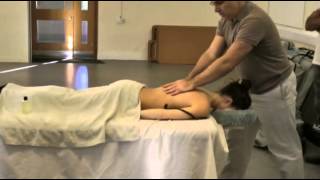


Helpful Resources
Articles and guides for deeper learning
Frequently Asked Questions
Quick answers to common questions
QWhat is the typical work environment for a massage therapist?
Massage therapists can work in various settings, including spas, wellness centers, hospitals, private practices, sports clinics, and even from home. Some opportunities may also involve travel or mobile services.
QWhat are the educational requirements to become a massage therapist?
Most states require massage therapists to complete a formal training program from an accredited school, typically ranging from 500 to 1,000 hours. Licensure or certification is often required, which may involve passing an exam.
QCan massage therapists work part-time?
Yes, many massage therapists choose to work part-time, offering flexibility to balance work with other commitments or careers. This is common in spas, wellness centers, or through independent practice.
Explore All 1,500+ Careers
Browse our full career explorer or take an assessment to get personalised recommendations.