Oral Surgeon
Also known as: Oral and Maxillofacial Surgeon
An oral surgeon is a highly trained medical and dental professional who specializes in surgical procedures of the face, mouth, jaw, and neck. They treat a wide range of conditions, from routine wisdom tooth removal to complex facial trauma, jaw deformities, and even oral cancers. Oral surgeons combine expertise in both medicine and dentistry to restore function, improve appearance, and ensure the overall health of their patients.
10
Skills to Learn
4
Career Levels
3
Top Companies
3
Education Paths
Sneak Peek
Do you enjoy solving complex problems and have a steady hand? Imagine a career where you can use your skills to help people heal from injuries, correct jaw issues, and even save lives through surgery.
What does an Oral Surgeon do?
An oral surgeon is a highly trained medical and dental professional who specializes in surgical procedures of the face, mouth, jaw, and neck. They treat a wide range of conditions, from routine wisdom tooth removal to complex facial trauma, jaw deformities, and even oral cancers.
- Salary in India
- ₹12 to ₹35 lakh a year
- Demand
- Growing
- Remote work
- Location-Bound
- Industry
- Healthcare
Is This Career For You?
Discover if your personality matches this career
Your Personality Fit (RIASEC)
You are curious and love to solve complex puzzles and understand how things work.
You enjoy hands-on work and using tools to solve problems.
You enjoy helping and interacting with people.
You are organized and enjoy following procedures and attention to detail.
You are persuasive and enjoy leading or influencing others.
You appreciate creativity and self-expression.
You'll Love This Career If...
Like what you see? Get full access.
Save this career, compare with others, and get your personalized career plan.
50,000+ students already signed up
A Day in the Life
What your typical workday looks like
Your day could involve performing intricate surgeries in a hospital operating room, consulting with patients in a clinic to plan their treatment, or managing emergency cases involving facial injuries. You
Myth vs Reality
Tap to reveal the truth behind common misconceptions
Skills You'll Need
Master these to excel in this career
Technical Skills
4Surgical skills
Proficiency in performing complex oral surgeries.
Analytical skills
Capability to diagnose and treat oral conditions.
Manual dexterity
Precision and control in handling surgical instruments.
Critical thinking
Ability to make quick, informed decisions during surgeries.
Soft Skills
5Communication skills
Ability to explain procedures and treatments to patients.
Patient care
Commitment to providing excellent patient care and comfort.
Team collaboration
Working effectively with other healthcare professionals.
Ethical practice
Adherence to ethical standards in patient treatment.
Continuous learning
Commitment to staying updated with advancements in oral surgery.
Domain Skills
1Knowledge of oral anatomy
In-depth understanding of oral structures and functions.
Tools of the Trade
Software and tools you'll work with daily
Hardware
Dental Explorer
A pointy tool used to detect early decay and surface irregularities on teeth.
Periodontal Probe
Used to measure the depth of gum pockets around teeth to assess gum health.
Forceps
Tools used for grasping and extracting teeth or bone fragments.
Elevators
Surgical instruments used to loosen teeth before extraction.
Bone Chisels
Used for shaping or removing bone during surgical procedures.
Amalgam Carrier
Delivers filling material into a prepared tooth cavity.
Condensers
Used to compact filling material, removing air pockets.
Burnishers
Smooths and shapes filling materials against tooth walls for a proper seal.
Surgical Loupes
Magnifying glasses worn by surgeons to enhance precision during procedures.
Software
Digital Imaging (X-rays, Panoramic)
Technology used to view detailed images of teeth, jaws, and surrounding structures for diagnosis and treatment planning.
Want to build these skills?
Get a personalized learning roadmap and save careers that match your profile.
50,000+ students already signed up
Your Learning Path
Step-by-step guide to getting started
High School Science Foundation
Focus on biology, chemistry, and advanced sciences. Join science clubs and consider volunteering at a hospital to get a feel for the medical environment.
Undergraduate Pre-Med/Biology
Earn a bachelor's degree, typically in biology or a pre-medical track, preparing you for the rigorous demands of dental school. Ace your science courses and aim for a high GPA.
Dental School and Residency
Complete four years of dental school (DDS or DMD) followed by a multi-year residency program in oral and maxillofacial surgery for specialized surgical training.
Licensure and Specialization
Obtain your state dental license by passing required exams, and consider board certification to become a recognized expert in oral surgery. Gain practical experience in hospitals or clinics.
Career Progression
How your career will grow over time
Dentist
EntryA general dentist who focuses on overall dental health.
- Perform routine dental check-ups
- Treat minor dental issues
- Educate patients on oral hygiene
Oral Surgery Resident
Mid-LevelA dentist undergoing specialized training in oral and maxillofacial surgery.
- Assist in oral surgeries
- Learn advanced surgical techniques
- Gain experience in anesthesia and patient care
Oral Surgeon
SeniorA licensed professional who performs complex surgical procedures in the mouth, jaw, and face.
- Perform wisdom tooth extractions
- Place dental implants
- Correct jaw misalignments
- Treat facial trauma
Senior Oral Surgeon
LeadershipAn experienced oral surgeon who may lead a team or department.
- Supervise junior surgeons
- Conduct research and publish findings
- Teach and mentor dental students and residents
Education Paths
Bachelor's Degree
Biology or Pre-Med
Post-Secondary Certificate/Diploma
DDS/DMD
Dentistry
Post-Secondary Certificate/Diploma
Residency
Oral and Maxillofacial Surgery
Top Hiring Companies
Salary & Future Growth
What you can earn and where the industry is headed
Salary Progression (INR)
Future Career OutlookCurrent Market: Growing
The job outlook for oral surgeons is projected to grow as fast as the average for all occupations. This indicates a stable and consistent demand for these specialized professionals.
The demand for oral surgeons is expected to remain steady over the medium to long term, driven by an aging population and continued advancements in dental and surgical technologies. Opportunities will likely be present in both private practice and hospital settings.
In the very long term, oral surgery is expected to continue its growth trajectory. Advancements in medical technology and a greater emphasis on specialized healthcare will likely sustain the need for highly trained oral and maxillofacial surgeons.
Not sure if Oral Surgeon is right for you?
Talk to a Stride counsellor for personalised guidance on whether this career fits your interests, strengths, and goals.
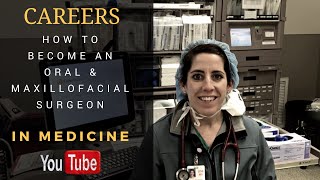
Watch & Learn
Curated videos to help you explore


Helpful Resources
Articles and guides for deeper learning
Frequently Asked Questions
Quick answers to common questions
QWhat is the difference between a general dentist and an oral surgeon?
A general dentist focuses on routine dental care like cleanings, fillings, and basic extractions. An oral surgeon, on the other hand, is a highly specialized dental professional who performs complex surgical procedures on the mouth, jaws, face, and neck, often involving conditions that require extensive medical and surgical training.
QWhat kind of education is required to become an oral surgeon?
Becoming an oral surgeon requires a Doctor of Dental Surgery (DDS) or Doctor of Dental Medicine (DMD) degree, followed by a rigorous 4-6 year residency program in Oral and Maxillofacial Surgery. Some programs also offer an integrated MD/OMFS pathway.
QWhat are the common procedures performed by oral surgeons?
Oral surgeons perform a wide range of procedures, including complex tooth extractions (like wisdom teeth), dental implant placement, corrective jaw surgery, facial trauma repair, and treatment of oral pathology such as cysts and tumors.
QWhat is the typical work environment for an oral surgeon?
Oral surgeons usually work in private practice settings, which can be standalone surgical centers or part of multi-specialty dental clinics. They also hold privileges in hospitals to perform more complex surgeries and manage emergencies. The environment is sterile and requires strict adherence to safety protocols.
Explore All 1,500+ Careers
Browse our full career explorer or take an assessment to get personalised recommendations.