Printer Technician
Also known as: Printing Equipment Technician, Reprographics Technician, Copier Technician, Print Machine Engineer
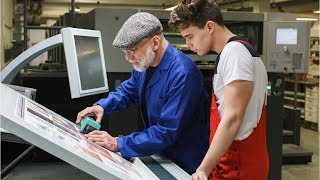
A printer technician is a skilled professional who installs, maintains, and repairs various types of printing equipment, from small office printers to large-scale industrial printing machines. They troubleshoot mechanical and electronic issues, perform routine maintenance, replace parts, and ensure that printing devices operate efficiently and produce high-quality output. This role requires a blend of technical expertise, diagnostic skills, and a customer-focused approach to keep essential communication and production tools running smoothly.
7
Skills to Learn
4
Career Levels
6
Top Companies
2
Education Paths
Sneak Peek
Ever wonder how those giant printers in print shops or the reliable machines in your school office actually work? If you're curious about the inner workings of complex machinery and enjoy hands-on problem-solving, a career as a printer technician might be the perfect fit for you!
What does a Printer Technician do?
A printer technician is a skilled professional who installs, maintains, and repairs various types of printing equipment, from small office printers to large-scale industrial printing machines. They troubleshoot mechanical and electronic issues, perform routine maintenance, replace parts, and ensure that printing devices operate efficiently and produce high-quality output.
- Salary in India
- ₹3 to ₹8 lakh a year
- Demand
- Stable
- Remote work
- Location-Bound
- Industry
- Information Technology
Is This Career For You?
Discover if your personality matches this career
Your Personality Fit (RIASEC)
You enjoy working with your hands, fixing things, and understanding how machines operate. This role involves hands-on troubleshooting and repair of complex printing equipment.
You like to figure out problems, analyze situations, and find the root cause of issues. Diagnosing printer malfunctions requires a methodical, investigative approach.
You appreciate following procedures, maintaining systems, and ensuring accuracy. The structured nature of diagnostics and repair aligns with this preference.
There might be opportunities to manage projects or take initiative in improving maintenance processes. However, the role is more about technical execution than leadership or sales.
You interact with clients or colleagues to understand issues and explain solutions. Good communication is key, but the role isn't centered around helping or teaching others directly.
While not a primary focus, creativity can be helpful in finding innovative solutions to unique technical challenges. However, the core of the job is not artistic expression.
You'll Love This Career If...
Like what you see? Get full access.
Save this career, compare with others, and get your personalized career plan.
50,000+ students already signed up
A Day in the Life
What your typical workday looks like
Your day might start with a service call to a local business experiencing printer issues. You'd arrive, diagnose the problem – perhaps a paper jam, a connectivity error, or a strange noise – and then systematically work to fix it, possibly replacing a worn-out part or clearing a complex blockage. Later, you might visit another client for routine maintenance, ensuring their machines are clean and performing optimally, or perhaps install a new printing system for a growing company. Each day brings new puzzles to solve and different environments to work in.
Myth vs Reality
Tap to reveal the truth behind common misconceptions
Skills You'll Need
Master these to excel in this career
Technical Skills
2Technical Knowledge of Printing Machines
Understanding of various printing technologies and machinery.
Troubleshooting Skills
Ability to diagnose and solve technical problems with printing equipment.
Soft Skills
4Attention to Detail
Focus on ensuring high-quality print output and detecting minor defects.
Communication Skills
Effectively conveying information and collaborating with team members.
Adaptability
Flexibility to work with different types of printing equipment and technologies.
Time Management
Efficiently managing work schedules to meet production deadlines.
Domain Skills
1Quality Control Knowledge
Understanding of quality standards and procedures in printing.
Tools of the Trade
Software and tools you'll work with daily
Software
Diagnostic Software
Programs used to analyze printer performance, identify errors, and run tests.
Technical Manuals/Databases
Digital or physical guides containing schematics, troubleshooting procedures, and maintenance schedules.
Hardware
Multimeter
A tool to measure electrical voltage, current, and resistance to troubleshoot electrical issues.
Screwdriver Set
Various types of screwdrivers for disassembling and reassembling printer components.
Caliper/Micrometer
Precision measuring tools used to check the dimensions of parts or ensure proper alignment.
Cleaning Supplies
Specialized solvents, cloths, and brushes for cleaning printer parts and maintaining print quality.
3D Printer (e.g., industrial or dental)
Advanced printing machines that require specialized knowledge for operation, maintenance, and repair, especially those using resins or high-temperature materials.
Want to build these skills?
Get a personalized learning roadmap and save careers that match your profile.
50,000+ students already signed up
Your Learning Path
Step-by-step guide to getting started
Explore the Basics of How Printers Work
Start by understanding the fundamental components of different types of printers (inkjet, laser, 3D). Learn about basic mechanics, electronics, and how they work together to produce a print. Think of it like learning the alphabet before you can write a story.
Dive into Diagnostic Techniques
Focus on common problems and how to identify them. This involves learning to read error codes, perform basic tests, and understand troubleshooting guides. It’s like becoming a detective for machines, looking for clues to solve the puzzle.
Get Hands-On with Repair and Maintenance
Practice disassembling and reassembling printers, replacing common parts, and performing routine maintenance. Seek opportunities for internships or entry-level roles where you can work on real machines under supervision. This is where you build your practical skills, like learning to fix a bike.
Specialize and Master Advanced Technologies
As you gain experience, consider specializing in specific types of printers, such as industrial 3D printers used in dentistry or manufacturing. Learn about advanced materials, calibration, and software specific to these high-tech machines. This is like becoming a master craftsman in a specialized field.
Career Progression
How your career will grow over time
Printer Technician Intern
EntryAssists with basic printer maintenance and troubleshooting.
- Assist with routine maintenance tasks.
- Help diagnose and resolve basic printer issues.
- Follow instructions from senior technicians.
Junior Printer Technician
Mid-LevelHandles more complex printer issues and performs regular maintenance.
- Perform routine maintenance on printers.
- Diagnose and fix printer problems.
- Maintain inventory of printer supplies.
Senior Printer Technician
SeniorLeads printer maintenance projects and mentors junior technicians.
- Lead printer maintenance and troubleshooting projects.
- Mentor and train junior technicians.
- Develop strategies to improve printer efficiency.
Printer Technician Manager
LeadershipManages a team of printer technicians and oversees printer operations.
- Manage a team of printer technicians.
- Oversee printer maintenance and operations.
- Develop and implement printer management strategies.
Education Paths
Bachelor's Degree
B.Tech
Computer Science
Associate Degree
Top Hiring Companies
Salary & Future Growth
What you can earn and where the industry is headed
Salary Progression (INR)
Future Career OutlookCurrent Market: Stable
Printer technicians are in demand as businesses and individuals rely on printing technology for various needs, from documents to specialized materials.
As technology advances, printer technicians will need to adapt to new printing technologies like 3D printing and advanced digital printing systems. The demand is expected to remain stable, with a shift towards specialized skills.
The role of a printer technician will continue to evolve with the integration of smart technologies and automation in printing. Continuous learning will be crucial to stay relevant in this field.
Not sure if Printer Technician is right for you?
Talk to a Stride counsellor for personalised guidance on whether this career fits your interests, strengths, and goals.
Watch & Learn
Curated videos to help you explore


Helpful Resources
Articles and guides for deeper learning
Frequently Asked Questions
Quick answers to common questions
QWhat are the typical work hours for a printer technician?
Work hours can vary, but printer technicians often work standard business hours. Some may be on-call or work overtime to respond to urgent repair needs.
QWhat is the average salary for a printer technician?
Salaries vary based on experience, location, and employer, but entry-level positions might start around 30,000-40,000 INR per annum, with experienced technicians earning 60,000-90,000 INR or more.
QWhat kind of training is required?
Training can range from vocational courses and certifications to an associate's degree in electronics or computer technology. Hands-on experience is also very important.
Explore All 1,500+ Careers
Browse our full career explorer or take an assessment to get personalised recommendations.