Diesel Mechanic
Also known as: Diesel Technician, Heavy Duty Mechanic, Truck Mechanic
Diesel mechanics are skilled professionals who specialize in maintaining and repairing diesel engines, which power everything from massive trucks and buses to generators and heavy machinery. They diagnose problems, perform routine maintenance, and conduct complex repairs to ensure these powerful engines operate efficiently and safely.
8
Skills to Learn
4
Career Levels
4
Top Companies
3
Education Paths
Sneak Peek
Do you enjoy figuring out how things work and getting your hands dirty? What if you could be the hero who keeps the big rigs, buses, and construction equipment rolling down the road?
What does a Diesel Mechanic do?
Diesel mechanics are skilled professionals who specialize in maintaining and repairing diesel engines, which power everything from massive trucks and buses to generators and heavy machinery. They diagnose problems, perform routine maintenance, and conduct complex repairs to ensure these powerful engines operate efficiently and safely.
- Salary in India
- ₹3.5 to ₹9 lakh a year
- Demand
- Growing
- Remote work
- Location-Bound
- Industry
- Transportation
Is This Career For You?
Discover if your personality matches this career
Your Personality Fit (RIASEC)
You enjoy working with your hands and with tools to fix or build things. You like practical challenges and hands-on work.
You enjoy solving problems and figuring out how things work. You like to investigate and understand complex systems.
You appreciate order, structure, and following procedures. This is helpful for systematic diagnostics and maintenance.
You enjoy leading, persuading, and working in business-oriented roles, which may be a part of managing your own shop or client interactions.
You prefer working with people and helping others, which is less common in this hands-on role.
You prefer creative expression and working with ideas or aesthetics over mechanical tasks.
You'll Love This Career If...
Like what you see? Get full access.
Save this career, compare with others, and get your personalized career plan.
50,000+ students already signed up
A Day in the Life
What your typical workday looks like
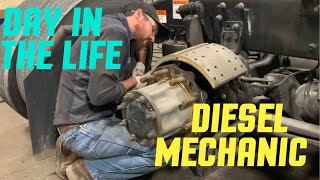
A typical day for a diesel mechanic involves diagnosing engine problems, performing preventative maintenance, and conducting repairs on heavy-duty vehicles and equipment. This could mean anything from a routine oil change and tune-up on a semi-truck to a complete engine overhaul on a piece of construction machinery. You might spend your morning inspecting brakes and suspension systems, followed by an afternoon troubleshooting complex electrical issues or replacing worn-out parts. The work often requires physical exertion, attention to detail, and the ability to work in various weather conditions, especially for those in mobile repair roles.
Myth vs Reality
Tap to reveal the truth behind common misconceptions
Skills You'll Need
Master these to excel in this career
Technical Skills
2Automotive Systems Knowledge
Comprehensive understanding of diesel engines and vehicle systems.
Manual Dexterity
Skill in using tools and handling equipment with precision.
Soft Skills
5Problem-Solving
Ability to diagnose and resolve complex mechanical issues.
Communication Skills
Effectively conveying information to customers and team members.
Attention to Detail
Focus on ensuring all repairs and maintenance are done accurately.
Teamwork
Working collaboratively with other mechanics and staff.
Continuous Learning
Commitment to staying updated with new technologies and techniques in automotive repair.
Domain Skills
1Regulatory Knowledge
Understanding of safety and environmental regulations related to diesel engines.
Tools of the Trade
Software and tools you'll work with daily
Software
Diagnostic Scanners
Computers that plug into the vehicle to read error codes and engine data.
Hardware
Pneumatic Wrenches
Power tools that use compressed air to quickly tighten or loosen bolts and nuts.
Multimeter
A tool used to measure voltage, current, and resistance in electrical systems.
Laptop Computers
Used for running diagnostic software, accessing repair manuals, and managing work orders.
Welding Equipment
Used for repairing or fabricating metal parts.
Lathe and Grinding Machine
Machines used for shaping and finishing metal parts.
Want to build these skills?
Get a personalized learning roadmap and save careers that match your profile.
50,000+ students already signed up
Your Learning Path
Step-by-step guide to getting started
Build Foundational Knowledge
Start by learning the basics of how engines work, physics principles, and math concepts in high school. Consider introductory automotive or shop classes.
Attend a Diesel Technology Program
Enroll in a post-secondary program at a trade school or community college. Focus on learning diesel engine repair, vehicle electronics, and diagnostic techniques through hands-on training.
Gain Practical Experience and Certifications
Seek apprenticeships or entry-level positions to apply your knowledge. Work towards industry certifications like ASE, which demonstrate your skills and can lead to better job opportunities.
Specialize and Continue Learning
As you gain experience, consider specializing in areas like heavy-duty trucks, buses, or specific manufacturers. Keep up with new technologies through manufacturer training and ongoing education.
Career Progression
How your career will grow over time
Diesel Technician
EntryInspect, repair, and maintain buses, trucks, and any vehicle or equipment with a diesel engine.
- Consult with customers
- Read work orders to determine what is needed
- Read technical charts and manuals to map out work procedures
- Interpret diagnostic test results
- Inspect steering mechanisms, brake systems, engines, transmissions, and other important vehicle components and systems
- Repair mechanical and electrical components
- Perform routine maintenance such as oil changes and tire rotations
- Test-drive vehicles to ensure proper operation
Advanced Diesel Technician
Mid-LevelSpecialize in specific diesel engines or systems, gaining expertise in advanced diagnostics and repairs.
- Diagnose complex mechanical and electrical issues
- Perform specialized repairs on specific engine types
- Work with advanced diagnostic software
- Conduct detailed inspections and preventive maintenance
Fleet Manager
SeniorOversee a team of diesel technicians and manage repair operations.
- Supervise technicians
- Manage repair shop operations
- Ensure compliance with safety and environmental standards
- Plan and coordinate maintenance schedules
Repair Shop Manager
LeadershipLead a repair shop or diesel maintenance department, making strategic decisions and ensuring the efficiency of operations.
- Develop and implement maintenance strategies
- Manage budgets and resources
- Oversee hiring and training of technicians
- Ensure customer satisfaction and service quality
Education Paths
Upper Secondary
High School Diploma or GED
Associate Degree
Associate's Degree in Diesel Technology
Diesel Technology
Post-Secondary Certificate/Diploma
Postsecondary Certificate in Diesel Mechanics
Diesel Mechanics
Top Hiring Companies
Salary & Future Growth
What you can earn and where the industry is headed
Salary Progression (INR)
Future Career OutlookCurrent Market: Growing
Diesel technicians are in high demand as they are essential for keeping the transportation and industrial sectors running smoothly. The role involves diagnosing, repairing, and maintaining complex diesel engines and their systems.
The demand for diesel technicians is expected to remain strong due to the continued reliance on diesel-powered vehicles and equipment in various industries like transportation, construction, and agriculture. Advancements in technology will require ongoing training but ensure job security.
As vehicles and equipment continue to rely on diesel engines, the need for skilled diesel technicians will persist. The increasing complexity of engine systems and emissions controls will create opportunities for specialized technicians. The transition to alternative fuels might introduce new learning curves, but the core mechanical expertise will remain valuable.
Not sure if Diesel Mechanic is right for you?
Talk to a Stride counsellor for personalised guidance on whether this career fits your interests, strengths, and goals.
Watch & Learn
Curated videos to help you explore




Helpful Resources
Articles and guides for deeper learning
Frequently Asked Questions
Quick answers to common questions
QWhat are the typical work hours for a diesel mechanic?
Diesel mechanics typically work standard business hours, but some roles, especially in transportation or construction, may require on-call availability or weekend shifts to minimize equipment downtime.
QWhat is the difference between a diesel mechanic and a general auto mechanic?
A diesel mechanic specializes in diesel engines found in heavy-duty vehicles like trucks and buses, while a general auto mechanic works on gasoline engines in passenger cars and light trucks.
QWhat kind of training is needed to become a diesel mechanic?
Most diesel mechanics have an associate's degree or a certificate in diesel technology from a vocational school or community college. Apprenticeships are also a common and effective way to gain the necessary skills and experience.
QAre there opportunities for advancement for diesel mechanics?
Yes, experienced diesel mechanics can advance to roles such as lead technician, service manager, or even start their own repair businesses. Specializing in specific engine types or advanced diagnostics can also open up career opportunities.
Explore All 1,500+ Careers
Browse our full career explorer or take an assessment to get personalised recommendations.