Spinning Mill Operator
Also known as: textile mill operator, yarn production operator
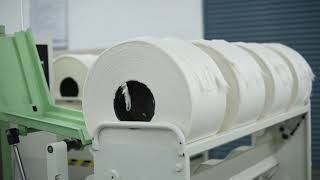
A spinning mill operator is responsible for overseeing and operating the machinery that turns fibers into yarn. This involves monitoring the spinning process, ensuring the quality of the yarn, performing routine maintenance on equipment, and troubleshooting any issues that may arise. They play a crucial role in the textile industry, contributing to the production of fabrics used in clothing, home goods, and industrial applications.
7
Skills to Learn
4
Career Levels
4
Top Companies
2
Education Paths
Sneak Peek
Do you enjoy working with machines and seeing raw materials transform into everyday products? Ever wondered how the yarn in your clothes is made?
What does a Spinning Mill Operator do?
A spinning mill operator is responsible for overseeing and operating the machinery that turns fibers into yarn. This involves monitoring the spinning process, ensuring the quality of the yarn, performing routine maintenance on equipment, and troubleshooting any issues that may arise. They play a crucial role in the textile industry, contributing to the production of fabrics used in clothing, home goods, and industrial applications.
- Salary in India
- ₹2 to ₹6 lakh a year
- Demand
- Stable
- Remote work
- Location-Bound
- Industry
- Textile
Is This Career For You?
Discover if your personality matches this career
Your Personality Fit (RIASEC)
You enjoy working with your hands and operating machinery.
You like organized work, following procedures, and maintaining quality standards.
You're curious about how things work and like to solve problems.
There are opportunities for initiative, but it's not a primary focus.
While teamwork is involved, the primary focus isn't on social interaction.
This role doesn't heavily involve creative expression.
You'll Love This Career If...
Like what you see? Get full access.
Save this career, compare with others, and get your personalized career plan.
50,000+ students already signed up
A Day in the Life
What your typical workday looks like
A typical day for a spinning mill operator starts with checking the machinery and preparing it for the day's production run. Throughout the shift, they closely monitor the spinning frames, looking for any breaks in the yarn or irregularities in the process. They might adjust machine settings to optimize yarn quality and output, collect samples for testing, and perform basic cleaning and lubrication of the equipment. When a problem occurs, like a machine malfunction, the operator needs to quickly diagnose the issue and take appropriate action, which could involve making minor repairs or calling for a maintenance technician.
Myth vs Reality
Tap to reveal the truth behind common misconceptions
Skills You'll Need
Master these to excel in this career
Technical Skills
3Machine Operation
Operating spinning machines to produce yarn.
Quality Control
Monitoring and maintaining yarn quality.
Maintenance
Performing routine maintenance on spinning machines.
Soft Skills
2Problem Solving
Identifying and resolving issues during production.
Teamwork
Collaborating with other operators and supervisors.
Domain Skills
2Safety Protocols
Adhering to safety guidelines in the mill.
Production Planning
Understanding and following production schedules.
Tools of the Trade
Software and tools you'll work with daily
Hardware
Spinning Machine
The main machine used to twist fibers into yarn.
Yarn Quality Testing Equipment
Tools used to measure the strength, thickness, and other qualities of the yarn.
Maintenance Tools
Basic tools for minor repairs and adjustments to machinery.
Safety Gear (e.g., earplugs, gloves)
Personal protective equipment to ensure a safe working environment.
Software
Production Monitoring Software
Systems used to track machine performance and production output.
Want to build these skills?
Get a personalized learning roadmap and save careers that match your profile.
50,000+ students already signed up
Your Learning Path
Step-by-step guide to getting started
Understand Textile Basics
Learn about different types of fibers (like cotton, polyester) and how they are prepared for spinning.
Learn About Spinning Machines
Study the parts of a spinning machine and their functions. Understand the process of converting fibers into yarn.
On-the-Job Training
Gain practical experience by working with experienced operators, learning to monitor machines, identify issues, and perform basic maintenance.
Quality Control and Safety Procedures
Focus on learning how to check yarn quality and adhere to all safety regulations in the mill environment.
Career Progression
How your career will grow over time
Spinning Mill Operator
EntryResponsible for operating spinning machines to produce yarn from fibers.
- Operate and monitor spinning machines.
- Ensure the quality of the produced yarn.
- Perform routine maintenance on machines.
- Adjust machine settings as needed.
- Record production data.
Senior Spinning Mill Operator
Mid-LevelOversees the operation of spinning machines and guides junior operators.
- Supervise junior operators.
- Ensure efficient production processes.
- Identify and resolve machine malfunctions.
- Maintain high-quality standards.
- Coordinate with maintenance teams.
Spinning Mill Supervisor
SeniorManages the spinning mill operations and ensures smooth production.
- Oversee the entire spinning mill operation.
- Plan and schedule production activities.
- Ensure compliance with safety and quality standards.
- Manage inventory and resources.
- Lead and motivate the spinning mill team.
Spinning Mill Manager
LeadershipLeads the spinning mill department and aligns operations with business goals.
- Strategically plan and manage spinning mill operations.
- Ensure the department meets production targets.
- Implement process improvements and cost-saving measures.
- Collaborate with other departments for seamless operations.
- Develop and mentor the spinning mill team.
Education Paths
Upper Secondary
Post-Secondary Certificate/Diploma
Diploma in Textile Technology
Textile Technology
Top Hiring Companies
Salary & Future Growth
What you can earn and where the industry is headed
Salary Progression (INR)
Future Career OutlookCurrent Market: Stable
The textile industry, including spinning mills, is a significant sector. As a spinning mill operator, you'll be involved in transforming raw fibers into yarn, a crucial step in textile production. The demand for textiles remains consistent due to their essential nature in clothing and various other products.
The textile industry is evolving with technological advancements. While automation is increasing, there's still a need for skilled operators to manage and maintain complex machinery. The focus on sustainable practices and technical textiles could also open new avenues.
The long-term outlook for spinning mill operators is influenced by global economic trends, technological integration, and shifts in consumer demand. While the nature of the work might change with advanced automation, the foundational need for skilled personnel to oversee production processes is likely to persist.
Not sure if Spinning Mill Operator is right for you?
Talk to a Stride counsellor for personalised guidance on whether this career fits your interests, strengths, and goals.
Watch & Learn
Curated videos to help you explore


Helpful Resources
Articles and guides for deeper learning
Frequently Asked Questions
Quick answers to common questions
QWhat are the typical working hours for a spinning mill operator?
Working hours can vary, but often include shift work, as mills operate continuously. This can include early mornings, evenings, nights, and weekends.
QWhat are the physical demands of the job?
The job can involve standing for long periods, lifting materials, and working in an environment with noise and dust. Protective gear is usually provided and required.
QAre there opportunities for advancement in this career?
Yes, with experience and additional training, operators can advance to roles like supervisor, shift manager, or specialized technician roles within the mill.
Explore All 1,500+ Careers
Browse our full career explorer or take an assessment to get personalised recommendations.