Toxicologist
Also known as: Tox
Toxicologists are scientists who study the harmful effects of chemicals, substances, and environmental agents on living organisms. They investigate how different exposures can impact human health, animals, and the environment, working to understand the dose-response relationship, exposure pathways, and individual susceptibility. This crucial work helps regulatory agencies and companies develop safety measures, set standards for things like drinking water, and create safer products and workplaces.
10
Skills to Learn
4
Career Levels
3
Top Companies
3
Education Paths
Sneak Peek
Have you ever wondered how we know if something in our environment, like a new cleaning product or even the air we breathe, is safe for us? What if you could be the scientist who figures that out and protects people's health?
What does a Toxicologist do?
Toxicologists are scientists who study the harmful effects of chemicals, substances, and environmental agents on living organisms. They investigate how different exposures can impact human health, animals, and the environment, working to understand the dose-response relationship, exposure pathways, and individual susceptibility. This crucial work helps regulatory agencies and companies develop safety measures, set standards for things like drinking water, and create safer products and workplaces.
- Demand
- Growing
- Remote work
- Hybrid
- Industry
- Chemical Industry
Is This Career For You?
Discover if your personality matches this career
Your Personality Fit (RIASEC)
You love to investigate and understand how things work, especially when it comes to substances and their effects.
You enjoy working with your hands, conducting experiments, and using scientific equipment.
You appreciate following procedures and detailed record-keeping, which is crucial in scientific research.
You're interested in how your work impacts public health and safety, and you may collaborate with others.
You might take initiative in research projects or communicating findings, but the core is analytical.
While not a primary focus, creativity can be applied in designing experiments or presenting findings.
You'll Love This Career If...
Like what you see? Get full access.
Save this career, compare with others, and get your personalized career plan.
50,000+ students already signed up
A Day in the Life
What your typical workday looks like
A typical day for a toxicologist might involve designing and conducting experiments to test the effects of a substance on cells or animals, analyzing the data to understand potential health risks, and then communicating these findings through reports or presentations. They might also review scientific literature, collaborate with other scientists, or work with regulatory bodies to establish safety guidelines. It's a role that requires a keen eye for detail, a logical approach to problem-solving, and a commitment to protecting public health.
Myth vs Reality
Tap to reveal the truth behind common misconceptions
Skills You'll Need
Master these to excel in this career
Technical Skills
4Scientific Writing
Ability to translate complex scientific data into clear, concise reports.
Analytical Skills
Capability to analyze and interpret toxicological data.
Literature Search Proficiency
Experience in conducting thorough literature searches for scientific support.
Data Management
Proficiency in managing and organizing scientific data.
Soft Skills
4Attention to Detail
High level of accuracy and precision in work.
Team Collaboration
Ability to work effectively within a multidisciplinary team.
Problem-Solving
Skill in identifying and resolving scientific challenges.
Ethical Standards
Commitment to maintaining high ethical standards in scientific research.
Domain Skills
2Knowledge of Regulatory Guidelines
Understanding of global regulatory requirements for toxicological studies.
Understanding of Toxicology Principles
Comprehensive knowledge of toxicological concepts and methodologies.
Tools of the Trade
Software and tools you'll work with daily
Hardware
Microscope
Used to examine cells, tissues, and microorganisms that may be affected by toxic substances.
Chromatography equipment (e.g., GC-MS, HPLC)
Sophisticated tools to separate, identify, and quantify chemical components in a sample.
Spectrophotometer
Measures how much light a chemical substance absorbs, helping to identify and quantify it.
Software
Laboratory Information Management System (LIMS)
Software used to manage and track samples, experiments, and data in a laboratory setting.
Statistical analysis software (e.g., R, SPSS)
Tools for analyzing complex data sets, identifying trends, and drawing conclusions from experiments.
Platform
Scientific Databases (e.g., PubMed, TOXNET)
Online resources for researching existing studies, chemical information, and toxicological data.
Want to build these skills?
Get a personalized learning roadmap and save careers that match your profile.
50,000+ students already signed up
Your Learning Path
Step-by-step guide to getting started
Build a Strong Science Foundation
Focus on your science classes like biology, chemistry, and physics in high school. These subjects will give you the fundamental knowledge you'll need.
Earn a Bachelor's Degree
Pursue a bachelor's degree in toxicology, biology, chemistry, or a related science field. This is where you'll start learning the specifics of how substances affect living organisms.
Specialize with Advanced Degrees and Experience
Many toxicologists pursue a Master's or Doctoral degree for deeper knowledge and research opportunities. Gain practical experience through internships or research assistant roles.
Get Certified and Start Your Career
Consider board certification to demonstrate your expertise. After completing your education and training, you can apply for jobs in various sectors like research, government, or industry.
Career Progression
How your career will grow over time
Junior Toxicologist
EntryAssists in conducting basic toxicology tests and experiments.
- Conducting laboratory tests
- Data collection
- Basic data analysis
Associate Toxicologist
Mid-LevelPerforms toxicology tests and experiments, and assists in data analysis.
- Conducting experiments
- Data analysis
- Writing reports
Senior Toxicologist
SeniorLeads toxicology projects and research, and oversees junior toxicologists.
- Project management
- Advanced data analysis
- Mentoring junior staff
Principal Toxicologist
LeadershipLeads major toxicology projects, sets research direction, and collaborates with other scientists.
- Strategic planning
- Collaboration with stakeholders
- Publishing research findings
Education Paths
Post-Doctoral
Ph.D.
Toxicology
Master's Degree
M.Sc.
Toxicology
Bachelor's Degree
B.Sc.
Chemistry or Biology
Top Hiring Companies
Salary & Future Growth
What you can earn and where the industry is headed
Salary Progression (INR)
Future Career OutlookCurrent Market: Growing
The field of toxicology is experiencing significant growth, driven by increased regulatory scrutiny, the development of new chemical entities, and a greater understanding of the impact of environmental factors on health. There's a growing demand for toxicologists to assess the safety of pharmaceuticals, consumer products, and environmental contaminants.
The medium to long-term outlook for toxicologists remains very positive. Advances in areas like genomics, computational toxicology, and personalized medicine will open new avenues for research and application. The need for expertise in evaluating the safety of novel biotechnologies and complex chemical mixtures will continue to rise, ensuring sustained demand.
In the very long term, toxicologists will likely play an even more critical role in navigating the complexities of emerging technologies and environmental challenges. Their expertise will be essential in ensuring the safe development and deployment of innovations, as well as in mitigating the health impacts of global environmental changes. The field is expected to adapt and expand, maintaining its relevance and importance.
Not sure if Toxicologist is right for you?
Talk to a Stride counsellor for personalised guidance on whether this career fits your interests, strengths, and goals.
Watch & Learn
Curated videos to help you explore


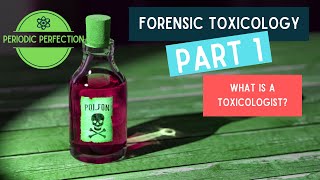


Helpful Resources
Articles and guides for deeper learning
Frequently Asked Questions
Quick answers to common questions
QWhat is the difference between a toxicologist and a forensic scientist?
While both fields involve scientific analysis, forensic scientists primarily focus on analyzing evidence from crime scenes to aid in legal investigations. Toxicologists, on the other hand, specialize in studying the adverse effects of chemical substances on living organisms, which can include forensic applications but also extends to pharmaceutical safety, environmental health, and clinical diagnostics.
QWhat are the key areas of specialization within toxicology?
Toxicology is a broad field with several specializations, including forensic toxicology (examining substances in legal cases), clinical toxicology (diagnosing and treating poisonings), environmental toxicology (studying pollutants' effects), and regulatory toxicology (assessing chemical safety for regulatory approval).
QWhat kind of education is needed to become a toxicologist?
Typically, a bachelor's degree in a science field like biology, chemistry, or toxicology is the starting point. Many positions require a master's or doctoral degree, often with a specialization in toxicology. Practical experience through internships or research is also highly valued.
Explore All 1,500+ Careers
Browse our full career explorer or take an assessment to get personalised recommendations.