Medical Laboratory Technician
Also known as: MLT
Medical Laboratory Technicians (MLTs) are essential healthcare professionals who perform diagnostic tests on patient samples like blood, urine, and tissues. They meticulously analyze these samples to provide crucial data that helps doctors diagnose, treat, and prevent diseases. Working behind the scenes in hospitals, clinics, and research labs, MLTs are the unsung heroes of modern medicine, ensuring accurate and reliable results that are fundamental to patient care.
15
Skills to Learn
4
Career Levels
5
Top Companies
3
Education Paths
Sneak Peek
Do you enjoy solving puzzles and are you fascinated by the hidden world within our bodies? As a Medical Laboratory Technician, you
What does a Medical Laboratory Technician do?
Medical Laboratory Technicians (MLTs) are essential healthcare professionals who perform diagnostic tests on patient samples like blood, urine, and tissues. They meticulously analyze these samples to provide crucial data that helps doctors diagnose, treat, and prevent diseases. Working behind the scenes in hospitals, clinics, and research labs, MLTs are the unsung heroes of modern medicine, ensuring accurate and reliable results that are fundamental to patient care.
- Salary in India
- ₹3 to ₹9.6 lakh a year
- Demand
- Growing
- Remote work
- Location-Bound
- Industry
- Healthcare
Is This Career For You?
Discover if your personality matches this career
Your Personality Fit (RIASEC)
You enjoy solving problems and working with data to uncover answers.
You like hands-on work and using tools and equipment to get the job done.
You are detail-oriented and enjoy following procedures and maintaining accuracy.
You appreciate helping others and contributing to health and well-being.
This role involves less creative expression and more structured analysis.
This role is less about leadership or persuasion and more about technical execution.
You'll Love This Career If...
Like what you see? Get full access.
Save this career, compare with others, and get your personalized career plan.
50,000+ students already signed up
A Day in the Life
What your typical workday looks like
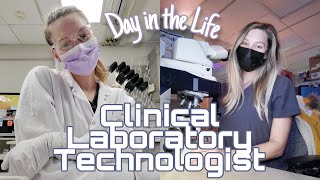
Imagine your day starting with the arrival of patient samples, each a unique puzzle to solve. You'll carefully handle and process these specimens, perhaps analyzing blood under a microscope, running tests on sophisticated automated analyzers, or preparing tissue samples for examination. You'll meticulously follow procedures, troubleshoot any equipment issues, and diligently record your findings. Your work directly contributes to patient diagnoses and treatment plans, making you a vital part of the healthcare team.
Myth vs Reality
Tap to reveal the truth behind common misconceptions
Skills You'll Need
Master these to excel in this career
Technical Skills
5Sample Collection
Collecting blood, urine, tissue, etc. for testing.
Diagnostics
Performing blood tests, imaging, and microbiological cultures.
Laboratory Equipment
Working with and maintaining lab instruments.
Data Analysis
Analyzing test results and reporting with accuracy.
Sterilization
Ensuring lab tools are properly sterilized.
Soft Skills
10Communication Skills
Conveying test results to healthcare teams and explaining procedures to patients.
Teamwork
Working effectively with other healthcare professionals.
Time Management
Prioritizing tasks and managing high workloads.
Attention to Detail
Ensuring accuracy in test results and following SOPs.
Problem-Solving
Troubleshooting lab equipment and analyzing unexpected test results.
Adaptability
Embracing new tools and adapting to changing work schedules.
Emotional Intelligence
Managing stress and showing empathy towards colleagues and patients.
Ethical Practices
Maintaining confidentiality and integrity in professional activities.
Leadership
Mentoring junior staff and taking the lead in quality improvements.
Lifelong Learning
Staying updated with the latest developments in medical science and lab technology.
Tools of the Trade
Software and tools you'll work with daily
Hardware
Microscope
Used to examine tiny things like blood cells and microorganisms that can't be seen with the naked eye.
Blood Gas Analyzer
Measures oxygen and carbon dioxide levels in the blood, plus pH, to check lung function and disease.
Urine Analysis Equipment
Automates the testing of urine samples to detect a wide range of health issues.
Centrifuge
Spins samples at high speeds to separate different components, like blood cells from plasma.
Sahli Haemoglobinometer
Measures the amount of hemoglobin (the oxygen-carrying protein) in blood samples.
DNA Analyzer
Determines the specific characteristics of a person's DNA.
Autoclave
Sterilizes equipment using high-pressure steam to kill harmful microorganisms.
Haematology Analyzer
Automates blood tests like Complete Blood Counts (CBC) to quickly measure red and white blood cells, and platelets.
Differential Counter
Helps count the different types of white blood cells, which is important for diagnosing various diseases.
Want to build these skills?
Get a personalized learning roadmap and save careers that match your profile.
50,000+ students already signed up
Your Learning Path
Step-by-step guide to getting started
High School Foundations
Focus on science classes like biology, chemistry, and math. These subjects are the building blocks for understanding laboratory work.
Associate's or Bachelor's Degree
Enroll in an accredited Medical Laboratory Technician (MLT) or Medical Laboratory Scientist (MLS) program. You'll learn the core principles, techniques, and safety protocols.
Gain Practical Experience
Complete clinical rotations or internships. This hands-on training in real lab settings is crucial for applying your knowledge and developing your skills.
Certification and Licensure
Pursue professional certification (e.g., ASCP) and any state-required licensure. This demonstrates your competency and opens up more job opportunities.
Career Progression
How your career will grow over time
Medical Laboratory Technician
EntryEntry-level position where the technician performs basic laboratory tests under supervision.
- Performing routine laboratory tests
- Handling and preparing samples
- Using laboratory equipment
- Recording test results
Senior Medical Laboratory Technician
Mid-LevelA more experienced role with increased responsibilities, possibly including training junior technicians.
- Supervising junior technicians
- Conducting more complex tests
- Maintaining laboratory equipment
- Ensuring quality control
Lead Medical Laboratory Technician
SeniorA senior role involving leadership and oversight of laboratory operations.
- Managing laboratory operations
- Developing testing protocols
- Ensuring compliance with regulations
- Collaborating with healthcare professionals
Laboratory Manager
LeadershipA leadership position responsible for the overall management of the laboratory.
- Overseeing laboratory staff
- Developing strategic plans
- Managing budgets and resources
- Ensuring laboratory efficiency and quality
Education Paths
Associate Degree
Diploma in Medical Laboratory Technology (DMLT)
Medical Laboratory Technology
Bachelor's Degree
Bachelor of Science in Medical Laboratory Technology (B.Sc. MLT)
Medical Laboratory Technology
Master's Degree
Master of Science in Medical Laboratory Technology (M.Sc. MLT)
Medical Laboratory Technology
Top Hiring Companies
Salary & Future Growth
What you can earn and where the industry is headed
Salary Progression (INR)
Future Career OutlookCurrent Market: Growing
Medical laboratory technicians are in high demand as healthcare systems rely heavily on accurate diagnostic testing. This trend is expected to continue as the population ages and the need for medical testing increases.
The field of medical diagnostics is constantly evolving with new technologies and an increasing volume of tests. This suggests a stable to growing demand for skilled technicians who can adapt to these changes.
As medical science advances, the role of laboratory testing in disease prevention, diagnosis, and treatment will likely become even more critical. Continued innovation in areas like molecular diagnostics and personalized medicine will shape the future of this profession.
Not sure if Medical Laboratory Technician is right for you?
Talk to a Stride counsellor for personalised guidance on whether this career fits your interests, strengths, and goals.
Watch & Learn
Curated videos to help you explore



Helpful Resources
Articles and guides for deeper learning
Frequently Asked Questions
Quick answers to common questions
QWhat education is required for a medical laboratory technician?
Typically, an Associate's degree in Medical Laboratory Technology or a related scientific field is required. Some positions may prefer a Bachelor's degree or relevant certifications.
QWhat are the typical work environments for a medical laboratory technician?
Medical laboratory technicians usually work in controlled laboratory settings within hospitals, diagnostic centers, research institutions, or pharmaceutical companies.
QWhat is the salary range for a medical laboratory technician?
Salaries vary by experience, location, and employer, but entry-level positions may start around $40,000-$50,000 per year, with experienced technicians earning significantly more.
Explore All 1,500+ Careers
Browse our full career explorer or take an assessment to get personalised recommendations.