Dental Hygienist
Also known as: Dental Therapist, Oral Health Therapist
As a Dental Hygienist, you are a crucial part of the dental care team, focused on preventing and treating oral diseases. You work directly with patients to clean their teeth, examine their oral health, and educate them on how to maintain good hygiene. Your goal is to help people keep their teeth and gums healthy for a lifetime, contributing to their overall well-being.
10
Skills to Learn
4
Career Levels
5
Top Companies
3
Education Paths
Sneak Peek
Do you love helping people achieve bright smiles and healthy gums? Are you fascinated by the science behind oral health and want a career where you can make a real difference in people's lives?
What does a Dental Hygienist do?
You are a crucial part of the dental care team, focused on preventing and treating oral diseases. You work directly with patients to clean their teeth, examine their oral health, and educate them on how to maintain good hygiene. Your goal is to help people keep their teeth and gums healthy for a lifetime, contributing to their overall well-being.
- Salary in India
- ₹2.5 to ₹7 lakh a year
- Demand
- Growing
- Remote work
- Location-Bound
- Industry
- Healthcare
Is This Career For You?
Discover if your personality matches this career
Your Personality Fit (RIASEC)
Enjoy helping and interacting with people.
Enjoy investigating problems and finding solutions.
Enjoy hands-on work and practical tasks.
Enjoy working with data and following procedures.
Some overlap with communication and leadership, but not a primary focus.
Less emphasis on creative expression.
You'll Love This Career If...
Like what you see? Get full access.
Save this career, compare with others, and get your personalized career plan.
50,000+ students already signed up
A Day in the Life
What your typical workday looks like
Imagine starting your day by preparing your dental operatory, ensuring all instruments are clean and ready. You'll then greet your patients, perhaps a child excited for their first cleaning or an adult needing a routine check-up. You'll gently clean their teeth, check for any signs of gum disease or cavities, and take X-rays if needed. A big part of your day involves talking to patients, explaining how to brush and floss effectively, and answering any questions they have about their oral health. You might also apply fluoride treatments or sealants to protect teeth. Throughout the day, you collaborate with dentists and other dental staff, ensuring each patient receives personalized and thorough care.
Myth vs Reality
Tap to reveal the truth behind common misconceptions
Skills You'll Need
Master these to excel in this career
Technical Skills
3Dental Instrument Handling
Properly using and maintaining dental instruments.
X-Ray Equipment Operation
Operating X-ray machines to take dental images.
Infection Control
Implementing procedures to prevent the spread of infections.
Soft Skills
5Patient Communication
Effectively communicating with patients about their dental health.
Time Management
Efficiently managing time to see multiple patients.
Empathy
Showing understanding and compassion towards patients.
Attention to Detail
Paying close attention to details during dental procedures.
Team Collaboration
Working effectively with other dental professionals.
Domain Skills
2Oral Hygiene Education
Educating patients on maintaining good oral hygiene.
Continuing Education
Staying updated with the latest dental practices and technologies.
Tools of the Trade
Software and tools you'll work with daily
Hardware
Dental Scalers
Tools used to remove plaque and tartar from teeth.
Dental X-ray Machine
Equipment used to take X-ray images of teeth and jawbone.
Dental Mirror
Used to see hard-to-reach areas in the mouth.
Software
Patient Charting Software
Digital tools to record patient medical history and treatment plans.
Want to build these skills?
Get a personalized learning roadmap and save careers that match your profile.
50,000+ students already signed up
Your Learning Path
Step-by-step guide to getting started
High School Foundations
Focus on science classes like biology, chemistry, and math. These subjects provide the basic scientific understanding needed for dental hygiene programs.
Associate Degree Program
Earn an Associate of Science in Dental Hygiene from an accredited program. This typically involves 3 years of study, including lectures, lab work, and clinical practice.
National and State Board Exams
After graduation, pass the National Board Dental Hygiene Examination and any required state clinical board examinations to become licensed.
Gain Licensure and Practice
Obtain your state license to practice as a dental hygienist. Begin your career, potentially seeking further continuing education to stay updated.
Career Progression
How your career will grow over time
Dental Hygienist
EntryA dental hygienist is the frontline of preventive oral care. A typical day blends clinical procedures, patient interaction, and education—all focused on comprehensive oral health.
- Review medical histories, take vitals, and perform oral cancer screenings
- Remove plaque and calculus above and below the gum line
- Apply fluoride and sealants; take diagnostic x-rays
- Provide non-surgical periodontal therapy
- Follow strict sterilization protocols for safety
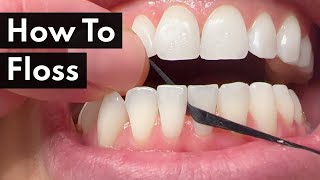
- Teach effective brushing and flossing techniques
- Explain treatment plans in simple, clear terms
- Offer nutritional guidance to support oral health
Senior Dental Hygienist
Mid-LevelA mid-level dental hygienist has gained more experience and may take on additional responsibilities, such as mentoring new hygienists or leading small projects.
- Review medical histories, take vitals, and perform oral cancer screenings
- Remove plaque and calculus above and below the gum line
- Apply fluoride and sealants; take diagnostic x-rays
- Provide non-surgical periodontal therapy
- Follow strict sterilization protocols for safety
- Teach effective brushing and flossing techniques
- Explain treatment plans in simple, clear terms
- Offer nutritional guidance to support oral health
- Mentor new hygienists
- Lead small projects
Lead Dental Hygienist
SeniorA senior dental hygienist has significant experience and may take on leadership roles, such as managing a team of hygienists or overseeing clinical operations.
- Review medical histories, take vitals, and perform oral cancer screenings
- Remove plaque and calculus above and below the gum line
- Apply fluoride and sealants; take diagnostic x-rays
- Provide non-surgical periodontal therapy
- Follow strict sterilization protocols for safety
- Teach effective brushing and flossing techniques
- Explain treatment plans in simple, clear terms
- Offer nutritional guidance to support oral health
- Mentor new hygienists
- Lead small projects
- Manage a team of hygienists
- Oversee clinical operations
Director of Dental Hygiene
LeadershipA leadership-level dental hygienist may hold a managerial or executive position, such as Director of Dental Hygiene, where they oversee the entire dental hygiene department and contribute to strategic planning.
- Review medical histories, take vitals, and perform oral cancer screenings
- Remove plaque and calculus above and below the gum line
- Apply fluoride and sealants; take diagnostic x-rays
- Provide non-surgical periodontal therapy
- Follow strict sterilization protocols for safety
- Teach effective brushing and flossing techniques
- Explain treatment plans in simple, clear terms
- Offer nutritional guidance to support oral health
- Mentor new hygienists
- Lead small projects
- Manage a team of hygienists
- Oversee clinical operations
- Contribute to strategic planning
- Oversee the entire dental hygiene department
Education Paths
Associate Degree
Associate's Degree
Dental Hygiene
Bachelor's Degree
Bachelor's Degree
Dental Hygiene
Master's Degree
Master's Degree
Dental Hygiene
Top Hiring Companies
Salary & Future Growth
What you can earn and where the industry is headed
Salary Progression (INR)
Future Career OutlookCurrent Market: Growing
The demand for dental hygienists is growing, with a stable outlook in the current job market.
The job outlook for dental hygienists is projected to remain strong over the next decade, driven by an aging population and increased focus on preventative dental care.
The long-term outlook for dental hygienists remains positive, though technological advancements may shift some aspects of the role. Emphasis on preventative care and public health initiatives will continue to support demand.
Not sure if Dental Hygienist is right for you?
Talk to a Stride counsellor for personalised guidance on whether this career fits your interests, strengths, and goals.
Watch & Learn
Curated videos to help you explore




Helpful Resources
Articles and guides for deeper learning
Frequently Asked Questions
Quick answers to common questions
QWhat is the typical work environment for a dental hygienist?
Dental hygienists primarily work in dental offices, but can also find opportunities in hospitals, public health clinics, and educational institutions.
QWhat are the educational requirements for a dental hygienist?
A career as a dental hygienist typically requires an associate's degree in dental hygiene, which usually takes two years to complete. Some positions may prefer or require a bachelor's or master's degree.
QWhat are the main responsibilities of a dental hygienist?
Dental hygienists clean teeth, examine patients for signs of oral diseases, and provide other preventative dental care. They also educate patients on maintaining good oral hygiene.
QAre there opportunities for specialization as a dental hygienist?
Yes, dental hygienists can specialize in areas such as pediatric dental hygiene, periodontics, or public health dentistry.
Explore All 1,500+ Careers
Browse our full career explorer or take an assessment to get personalised recommendations.