Wastewater Engineer
Also known as: Water Treatment Engineer, Environmental Engineer (Water Treatment), Sanitary Engineer
A Wastewater Engineer plays a critical role in protecting public health and the environment by designing, building, and operating systems that treat wastewater. They focus on removing pollutants from water used in homes and industries, ensuring it meets strict environmental standards before it
7
Skills to Learn
4
Career Levels
2
Top Companies
2
Education Paths
Sneak Peek
Do you ever wonder what happens to the water after it goes down the drain or what it takes to keep our rivers and lakes clean? Wastewater Engineers are the environmental superheroes who ensure our water is treated safely and effectively before returning to the environment.
What does a Wastewater Engineer do?
A Wastewater Engineer plays a critical role in protecting public health and the environment by designing, building, and operating systems that treat wastewater.
- Salary in India
- ₹5 to ₹15 lakh a year
- Demand
- Growing
- Remote work
- Hybrid
- Industry
- Environmental Engineering
Is This Career For You?
Discover if your personality matches this career
Your Personality Fit (RIASEC)
You enjoy working with your hands and with machinery, tools, and equipment, or in tasks that are more practical and hands-on.
You enjoy tasks that involve research, critical thinking, and problem-solving, often requiring a deep understanding of scientific or technical concepts.
You enjoy helping, training, or providing services to others, and prefer working in collaborative or people-oriented environments.
You prefer structured environments with clear rules and procedures, and enjoy organizing, analyzing, and managing data.
You enjoy leading, influencing, and persuading others, and often seek out leadership roles or opportunities to manage projects.
You prefer work that involves creativity, self-expression, and imagination, often in unstructured settings.
You'll Love This Career If...
Like what you see? Get full access.
Save this career, compare with others, and get your personalized career plan.
50,000+ students already signed up
A Day in the Life
What your typical workday looks like
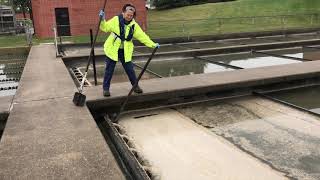
A typical day might involve heading to a treatment plant to oversee operations, analyze water quality data, troubleshoot equipment, or design upgrades for treatment processes. You could be in the field checking on infrastructure or in the office developing plans and reports to ensure everything runs smoothly and complies with regulations.
Myth vs Reality
Tap to reveal the truth behind common misconceptions
Skills You'll Need
Master these to excel in this career
Technical Skills
2Plumbing System Design
Designing and analyzing plumbing systems for efficiency and safety.
Hydraulic Calculations
Performing calculations for pipe sizing, pressure loss, and flow rates.
Soft Skills
3Technical Communication
Clearly conveying complex design concepts to various stakeholders.
Project Management
Coordinating multiple projects, deadlines, and resources.
Attention to Detail
Ensuring precision in design to prevent costly errors.
Domain Skills
2Regulatory Compliance
Understanding and adhering to plumbing codes and standards.
Sustainable Design Principles
Incorporating eco-friendly practices in plumbing system designs.
Tools of the Trade
Software and tools you'll work with daily
Hardware
Water quality testing kits
Used to measure various parameters of water, such as pH, turbidity, and chlorine levels, to ensure it meets safety standards.
Meters and gauges
Devices used to monitor the performance of equipment and the conditions within the treatment process.
Pumps and filters
Essential machinery used in the physical processes of moving and purifying water.
Chemical treatment systems
Equipment used to dose and mix chemicals for water purification and disinfection.
Laboratory equipment
Includes tools for detailed analysis of water samples to detect contaminants and ensure water potability.
Software
Wastewater treatment software
Computer programs used for monitoring processes, analyzing data, managing operations, and ensuring regulatory compliance.
Want to build these skills?
Get a personalized learning roadmap and save careers that match your profile.
50,000+ students already signed up
Your Learning Path
Step-by-step guide to getting started
High School Foundation
Focus on science classes like biology, chemistry, and physics, as well as math. These subjects provide the fundamental knowledge needed for understanding water treatment processes and data analysis.
Explore Educational Options
Consider pursuing a high school diploma or GED. For more advanced roles, look into associate's or bachelor's degrees in environmental science, environmental engineering, or a related field. Community colleges often have specialized water or wastewater treatment programs.
Gain Certifications and Training
Research and obtain relevant certifications or licenses required by your state and desired employers. Many states have specific operator licenses. Look for introductory courses or workshops in water quality testing and equipment operation. On-the-job training is also a crucial step.
Enter the Field and Grow
Start with entry-level positions at water or wastewater treatment plants. Seek opportunities for on-the-job training, mentorship, and continuous learning to advance your career. Consider joining professional organizations to network and stay updated on industry advancements.
Career Progression
How your career will grow over time
Junior Wastewater Engineer
EntryAs a Junior Wastewater Engineer, you'll assist in the design and maintenance of wastewater treatment systems. Your tasks will include data collection, field visits, and supporting senior engineers in various projects.
- Assist in the design of wastewater treatment systems.
- Collect and analyze water samples.
- Support senior engineers in project execution.
- Prepare reports and documentation.
Wastewater Engineer
Mid-LevelIn this role, you'll take on more responsibilities, including designing and overseeing the implementation of wastewater treatment projects. You'll work closely with clients, contractors, and regulatory bodies.
- Design and implement wastewater treatment systems.
- Oversee project execution and ensure compliance with regulations.
- Collaborate with clients and contractors.
- Manage project budgets and timelines.
Senior Wastewater Engineer
SeniorAs a Senior Wastewater Engineer, you'll lead complex projects, mentor junior engineers, and contribute to strategic planning. Your expertise will be crucial in solving challenging wastewater management issues.
- Lead complex wastewater treatment projects.
- Mentor and supervise junior engineers.
- Contribute to strategic planning and policy development.
- Ensure projects meet environmental and safety standards.
Wastewater Engineering Manager
LeadershipIn this leadership role, you'll oversee the entire wastewater engineering department, set strategic goals, and ensure the delivery of high-quality engineering solutions. You'll also represent the department in senior management meetings.
- Oversee the wastewater engineering department.
- Set strategic goals and objectives.
- Represent the department in senior management meetings.
- Ensure alignment with company goals and regulatory requirements.
Education Paths
Bachelor's Degree
B.Tech
Civil Engineering or Environmental Engineering
Master's Degree
M.Tech
Environmental Engineering or Water Resource Management
Top Hiring Companies
Salary & Future Growth
What you can earn and where the industry is headed
Salary Progression (INR)
Future Career OutlookCurrent Market: Growing
The demand for Waste Management Engineers is expected to grow as fast as the average for all occupations. This indicates a stable job market with consistent opportunities.
With increasing urbanization and stricter environmental regulations, the need for effective waste management systems will continue to grow. Emphasis on sustainability, resource recovery, and advanced treatment technologies will drive demand for skilled professionals.
As global populations grow and environmental concerns become more pressing, Waste Management Engineers will remain crucial. The development of smart waste management systems, circular economy initiatives, and innovative recycling technologies will shape the future of this field, ensuring long-term relevance and demand.
Not sure if Wastewater Engineer is right for you?
Talk to a Stride counsellor for personalised guidance on whether this career fits your interests, strengths, and goals.
Watch & Learn
Curated videos to help you explore




Helpful Resources
Articles and guides for deeper learning
Frequently Asked Questions
Quick answers to common questions
QWhat is the typical education needed for a Waste Management Engineer?
A bachelor's degree in Environmental Engineering, Civil Engineering, or a related field is usually the starting point. Many roles also benefit from or require a master's degree, and a Professional Engineer (PE) license is often necessary for advancement.
QWhat are the main responsibilities of a Waste Management Engineer?
Waste Management Engineers design, implement, and manage systems for waste collection, treatment, and disposal. This includes optimizing collection routes, designing landfills and recycling facilities, developing reduction programs, and ensuring compliance with environmental regulations.
QWhat kind of work environment can I expect?
You'll typically split your time between an office, where you'll do design work and analysis, and fieldwork. Fieldwork can involve visiting sites like landfills or recycling centers, sometimes in various weather conditions. Collaboration with scientists, planners, and government officials is common.
QWhat are some key skills for this career?
Key skills include technical abilities like waste stream analysis, landfill design, and knowledge of treatment technologies, as well as soft skills such as problem-solving, project management, and strong communication for working with different stakeholders and regulatory agencies.
Explore All 1,500+ Careers
Browse our full career explorer or take an assessment to get personalised recommendations.