Water Treatment Superintendent
Also known as: Water Plant Manager, Water Treatment Plant Operator Supervisor
A Water Treatment Superintendent is responsible for overseeing the entire process of purifying water to make it safe for public consumption. This involves managing and maintaining the equipment and systems used in water treatment plants, ensuring that all operations comply with environmental and public health regulations. They lead a team of technicians and operators, troubleshoot any issues that arise, and work to optimize the treatment process for efficiency and effectiveness.
10
Skills to Learn
4
Career Levels
3
Top Companies
2
Education Paths
Sneak Peek
Ever wondered where the clean water you drink comes from? Or how we ensure it's safe for everyone to use? A Water Treatment Superintendent plays a crucial role in this behind-the-scenes process, making sure our communities have access to safe and reliable water every single day.
What does a Water Treatment Superintendent do?
A Water Treatment Superintendent oversees the operations of water treatment facilities to ensure that water is safe and clean for public use. This involves managing staff, maintaining equipment, ensuring compliance with regulations, and optimizing treatment processes.
- Salary in India
- ₹4 to ₹12 lakh a year
- Demand
- Growing
- Remote work
- Location-Bound
- Industry
- Utilities
Is This Career For You?
Discover if your personality matches this career
Your Personality Fit (RIASEC)
You enjoy working with your hands, tools, and machinery, and prefer practical, hands-on tasks.
You are curious, analytical, and enjoy solving problems through research and investigation.
You are persuasive, energetic, and enjoy leading and managing projects and people.
You are organized, detail-oriented, and prefer structured environments with clear procedures and regulations.
You enjoy helping others and working collaboratively, particularly in roles that involve problem-solving and guidance.
You are less drawn to creative expression and more focused on practical and systematic approaches.
You'll Love This Career If...
Like what you see? Get full access.
Save this career, compare with others, and get your personalized career plan.
50,000+ students already signed up
A Day in the Life
What your typical workday looks like
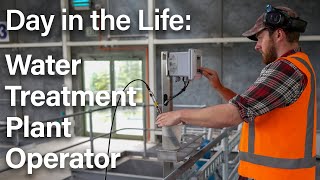
Your day might start with checking the water quality reports from overnight operations, followed by a team meeting to discuss any immediate concerns or scheduled maintenance. You'll likely spend time inspecting the treatment plant's machinery, from pumps and filters to chemical dosing systems, ensuring everything is running smoothly. There could be troubleshooting a malfunctioning valve, reviewing compliance reports, or planning for future upgrades to the facility. You might also interact with other city officials or regulatory agencies to ensure the water supply meets all standards.
Myth vs Reality
Tap to reveal the truth behind common misconceptions
Skills You'll Need
Master these to excel in this career
Technical Skills
3Water Treatment Processes
Understanding of chemical and biological treatment methods.
Data Analysis
Ability to interpret water quality data and reports.
Emergency Response
Preparedness and response to water treatment emergencies.
Soft Skills
5Team Leadership
Ability to manage and motivate a team.
Problem-Solving
Skill in identifying and resolving issues promptly.
Project Management
Skills in planning and executing water treatment projects.
Communication Skills
Effective verbal and written communication with stakeholders.
Continuous Improvement
Commitment to enhancing water treatment processes.
Domain Skills
2Regulatory Compliance
Knowledge of environmental and health regulations.
Budget Management
Skill in managing operational budgets and resources.
Tools of the Trade
Software and tools you'll work with daily
Software
SCADA Systems
Supervisory Control and Data Acquisition systems used to monitor and control water treatment processes remotely.
Wastewater Operator Certification Manual
A guide that outlines regulations, procedures, and best practices for operating wastewater treatment facilities.
Hardware
Laboratory Equipment
Tools like microscopes, centrifuges, and chemical testing kits used to analyze water quality.
Pumps, Valves, and Filters
Essential machinery for moving, controlling, and purifying water throughout the treatment process.
Flow Meters and Pressure Gauges
Instruments used to measure and monitor the flow rate and pressure of water and chemicals in the system.
Want to build these skills?
Get a personalized learning roadmap and save careers that match your profile.
50,000+ students already signed up
Your Learning Path
Step-by-step guide to getting started
Understand the Basics of Water Quality
Start by learning about the water cycle, different types of water contaminants, and why water treatment is essential for public health and the environment. Explore introductory science concepts related to chemistry and biology.
Learn About Treatment Processes
Familiarize yourself with the fundamental stages of water and wastewater treatment, such as coagulation, sedimentation, filtration, disinfection, and sludge handling. Many resources, including the 'Wastewater Operator Certification Manual,' can provide foundational knowledge here.
Get Certified as an Operator
Pursue the necessary certifications. This typically involves completing specific training courses, passing an exam, and meeting experience requirements. This manual and similar resources are key for exam preparation.
Develop Management and Supervisory Skills
Once you gain operational experience, focus on developing skills in team leadership, regulatory compliance, budgeting, and data analysis. This will prepare you for superintendent roles where you oversee entire operations.
Career Progression
How your career will grow over time
Water Treatment Operator
EntryBegins with hands-on operation of water treatment equipment under supervision.
- Monitor and operate water treatment equipment
- Collect and analyze water samples
- Report equipment malfunctions
Water Treatment Technician
Mid-LevelInvolves more responsibility in equipment maintenance and process optimization.
- Perform routine maintenance on treatment equipment
- Optimize water treatment processes
- Assist in training new operators
Water Treatment Supervisor
SeniorOversees daily operations and maintenance of the water treatment facility.
- Supervise water treatment operators and technicians
- Ensure compliance with environmental regulations
- Manage budgets and resources
Water Treatment Superintendent
LeadershipLeads the entire water treatment department, including strategic planning and operations management.
- Develop and implement water treatment strategies
- Manage department personnel and budgets
- Ensure the facility meets safety and environmental standards
Education Paths
Bachelor's Degree
B.Tech
Chemical Engineering
Professional Degree
Postgraduate Diploma in Environmental Engineering
Environmental Engineering
Top Hiring Companies
Salary & Future Growth
What you can earn and where the industry is headed
Salary Progression (INR)
Future Career OutlookCurrent Market: Growing
Water treatment is essential for public health and environmental protection. As populations grow and industries develop, the demand for clean water and effective wastewater management is increasing. This creates a stable outlook for professionals in this field, with ongoing needs for skilled individuals to operate and maintain treatment facilities.
With increasing urbanization, industrialization, and stricter environmental regulations globally, the need for advanced water and wastewater treatment is projected to grow significantly. Investments in upgrading existing infrastructure and building new facilities to meet rising demand and quality standards will likely sustain a positive long-term outlook.
Water scarcity and the need for sustainable water management are becoming more critical global challenges. Innovations in water treatment technologies, including recycling and desalination, coupled with a continuous focus on environmental protection, suggest that careers in water treatment will remain vital and adapt to new challenges and solutions.
Not sure if Water Treatment Superintendent is right for you?
Talk to a Stride counsellor for personalised guidance on whether this career fits your interests, strengths, and goals.
Watch & Learn
Curated videos to help you explore


Helpful Resources
Articles and guides for deeper learning
Frequently Asked Questions
Quick answers to common questions
QWhat kind of education is needed for this role?
Typically, a bachelor's degree in environmental science, chemical engineering, civil engineering, or a related field is required. Experience in water treatment operations and relevant certifications are also crucial.
QAre there opportunities for advancement?
Yes, with experience and additional qualifications, a Water Treatment Superintendent can advance to higher management positions within water utilities or environmental agencies, or specialize in areas like water resource management or environmental consulting.
Explore All 1,500+ Careers
Browse our full career explorer or take an assessment to get personalised recommendations.