Biomedical Engineering Technician
Also known as: Biomedical Equipment Technician, Clinical Engineering Technician, Medical Equipment Repairer
A Biomedical Engineering Technician plays a vital role in the healthcare industry by ensuring that medical equipment is functioning correctly and safely. They are the go-to experts for installing, maintaining, calibrating, and troubleshooting a wide range of devices, from diagnostic tools like X-ray machines to life-support systems such as ventilators. Their work directly impacts patient care by preventing equipment failures and ensuring that healthcare professionals have reliable tools to do their jobs.
5
Skills to Learn
4
Career Levels
6
Top Companies
1
Education Paths
Sneak Peek
Have you ever wondered how the amazing machines that help doctors save lives are made and maintained? From the beeping monitors in the hospital to the advanced imaging systems, these tools are crucial for patient care.
What does a Biomedical Engineering Technician do?
A Biomedical Engineering Technician plays a vital role in the healthcare industry by ensuring that medical equipment is functioning correctly and safely. They are the go-to experts for installing, maintaining, calibrating, and troubleshooting a wide range of devices, from diagnostic tools like X-ray machines to life-support systems such as ventilators.
- Salary in India
- ₹3 to ₹12 lakh a year
- Demand
- Growing
- Remote work
- Hybrid
- Industry
- Healthcare
Is This Career For You?
Discover if your personality matches this career
Your Personality Fit (RIASEC)
You enjoy working with your hands and with tools to build, fix, or maintain things. This could involve working with machinery, equipment, or technical systems.
You are curious and love to figure out how things work, often through research, analysis, and problem-solving. You enjoy tackling complex challenges.
You appreciate structure, order, and attention to detail. This is important for following procedures, documentation, and ensuring equipment functions correctly.
You enjoy helping and interacting with others. In this role, you might collaborate with medical professionals or assist in training others on equipment.
You are motivated by leadership, persuasion, and achieving goals. While direct leadership might be less common, your drive can contribute to project success.
Your interests lean towards creative expression and innovation. While not the primary focus, creativity can be applied in problem-solving and design aspects.
You'll Love This Career If...
Like what you see? Get full access.
Save this career, compare with others, and get your personalized career plan.
50,000+ students already signed up
A Day in the Life
What your typical workday looks like
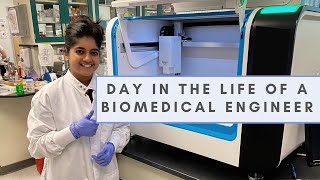
Imagine starting your day with a plan to check and maintain essential medical equipment in a hospital. You might spend your morning calibrating a patient monitor to ensure it’s giving accurate readings, then head over to assist a surgeon by making sure a robotic surgical tool is functioning perfectly. Your afternoon could involve troubleshooting a diagnostic imaging machine, working with a team to get it back online quickly so patient care isn’t interrupted, and then documenting all your work.
Myth vs Reality
Tap to reveal the truth behind common misconceptions
Skills You'll Need
Master these to excel in this career
Technical Skills
2CAD Software
Proficiency in Computer-Aided Design software for designing medical devices.
MATLAB
Skill in using MATLAB for simulations and data analysis.
Soft Skills
2Problem-Solving
Ability to identify and solve complex technical problems.
Communication Skills
Effective communication with team members and stakeholders.
Domain Skills
1Regulatory Compliance
Knowledge of industry regulations and compliance standards for medical devices.
Tools of the Trade
Software and tools you'll work with daily
Hardware
Oscilloscope
Measures and displays electrical signals, helping to diagnose issues with electronic medical devices.
Multimeter
Measures voltage, current, and resistance to test electrical circuits in medical equipment.
Soldering Iron
Used to join or separate metal components, like wires or circuits, within medical devices.
Software
Diagnostic Software
Specialized computer programs used to test, calibrate, and identify problems with medical equipment.
CAD Software
Computer-Aided Design software used to view blueprints or schematics of medical devices for maintenance and repair.
Platform
Medical Device Manuals
Technical documentation and guides that provide instructions for operating, maintaining, and repairing specific medical devices.
Want to build these skills?
Get a personalized learning roadmap and save careers that match your profile.
50,000+ students already signed up
Your Learning Path
Step-by-step guide to getting started
Explore the Basics
Start by learning about fundamental science concepts like biology, physics, and chemistry. High school courses in these subjects are a great starting point.
Get Technical Skills
Focus on developing skills in electronics, mechanics, and computer basics. You might explore vocational programs or online courses that cover circuit theory, troubleshooting, and basic computer literacy.
Pursue Formal Education
Complete an associate's degree or a certificate program in Biomedical Equipment Technology or a related field from an accredited institution. This will provide hands-on training and industry-standard knowledge.
Gain Practical Experience
Seek internships or entry-level positions in hospitals, medical device companies, or third-party service providers. This real-world experience is key to mastering the job.
Career Progression
How your career will grow over time
Biomedical Engineering Technician
EntryResponsible for installing, maintaining, and calibrating medical equipment in healthcare settings.
- Install medical devices
- Maintain and repair equipment
- Calibrate medical instruments
- Ensure compliance with safety standards
Senior Biomedical Engineering Technician
Mid-LevelOversees the work of entry-level technicians and handles more complex equipment.
- Supervise junior technicians
- Handle complex equipment
- Train new employees
- Improve equipment performance
Biomedical Engineering Specialist
SeniorFocuses on advanced technical solutions and project management.
- Develop technical solutions
- Manage projects
- Collaborate with medical staff
- Ensure regulatory compliance
Biomedical Engineering Manager
LeadershipLeads the biomedical engineering department and strategic initiatives.
- Lead department initiatives
- Manage budgets
- Oversee project execution
- Develop strategic plans
Education Paths
Bachelor's Degree
B.Tech
Biomedical Engineering
Top Hiring Companies
Salary & Future Growth
What you can earn and where the industry is headed
Salary Progression (INR)
Future Career OutlookCurrent Market: Growing
Biomedical Engineering Technicians work with cutting-edge medical equipment, playing a crucial role in healthcare settings. Their expertise is vital for ensuring that the technology used to diagnose and treat patients is functioning correctly and safely.
As healthcare technology advances and becomes more integrated into patient care, the need for skilled technicians to install, maintain, and repair this equipment will continue to rise. The increasing complexity of medical devices will create a steady demand for these professionals.
The integration of AI, robotics, and advanced diagnostics in healthcare suggests a long-term positive outlook for Biomedical Engineering Technicians. Their role in supporting and managing these sophisticated systems will remain essential for the healthcare industry's progress.
Not sure if Biomedical Engineering Technician is right for you?
Talk to a Stride counsellor for personalised guidance on whether this career fits your interests, strengths, and goals.
Watch & Learn
Curated videos to help you explore




Helpful Resources
Articles and guides for deeper learning
Frequently Asked Questions
Quick answers to common questions
QWhat is the typical work environment for a Biomedical Engineering Technician?
Biomedical Engineering Technicians often work in hospitals, clinics, research laboratories, and medical device manufacturing facilities. Some tasks may involve on-site visits to healthcare facilities.
QWhat kind of education is needed to become a Biomedical Engineering Technician?
An associate's degree in biomedical engineering technology or a related field is typically required. Some positions may prefer a bachelor's degree, and relevant certifications can also be beneficial.
QWhat are the main responsibilities of a Biomedical Engineering Technician?
Key responsibilities include installing, calibrating, maintaining, troubleshooting, and repairing medical equipment. They also perform safety testing and ensure devices are compliant with regulations.
Explore All 1,500+ Careers
Browse our full career explorer or take an assessment to get personalised recommendations.