Clinical Laboratory Technician
Also known as: Medical Lab Technician, MLT
Clinical Laboratory Technicians are the unsung heroes of the healthcare world, working behind the scenes to help diagnose and treat diseases. They perform crucial tests on samples like blood, urine, and other body fluids, providing doctors with the vital information needed to make informed decisions about patient care. It
10
Skills to Learn
4
Career Levels
4
Top Companies
2
Education Paths
Sneak Peek
Have you ever wondered what happens behind the scenes after you get a blood test or a medical scan? These tests are crucial for doctors to figure out what
What does a Clinical Laboratory Technician do?
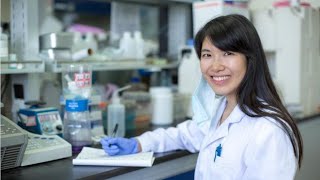
Clinical Laboratory Technicians are the unsung heroes of the healthcare world, working behind the scenes to help diagnose and treat diseases. They perform crucial tests on samples like blood, urine, and other body fluids, providing doctors with the vital information needed to make informed decisions about patient care.
- Salary in India
- ₹1.5 to ₹4.8 lakh a year
- Demand
- Growing
- Remote work
- Location-Bound
- Industry
- Healthcare
Is This Career For You?
Discover if your personality matches this career
Your Personality Fit (RIASEC)
You enjoy working with data, solving problems, and uncovering details.
You like hands-on work and using tools to solve practical problems.
You are detail-oriented and enjoy organized, systematic work.
You appreciate helping others and working with people.
You enjoy leadership and persuasion, but this role is less focused on that.
You prefer creative expression and unstructured tasks, which are less common here.
You'll Love This Career If...
Like what you see? Get full access.
Save this career, compare with others, and get your personalized career plan.
50,000+ students already signed up
A Day in the Life
What your typical workday looks like
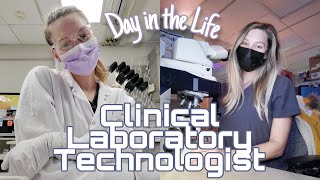
Your day starts with preparing the lab for analysis, which includes calibrating and checking the sophisticated equipment you’ll be using. You’ll then meticulously process patient samples – perhaps running blood tests to check for infections, analyzing tissue samples for abnormalities, or preparing cultures to identify bacteria. Throughout the day, you’ll carefully document your findings, ensuring every piece of data is accurate and recorded properly. You might also troubleshoot any equipment issues that arise or collaborate with pathologists to confirm complex results, all while strictly following safety procedures to keep yourself and others safe.
Myth vs Reality
Tap to reveal the truth behind common misconceptions
Skills You'll Need
Master these to excel in this career
Technical Skills
3Laboratory Equipment Operation
Proficiency in operating and maintaining laboratory equipment.
Data Analysis
Ability to analyze and interpret test results accurately.
Quality Control
Ensuring accuracy and reliability of test results.
Soft Skills
4Attention to Detail
High level of accuracy and precision in sample analysis.
Communication Skills
Effective interaction with healthcare teams and patients.
Time Management
Efficiently handling multiple samples and tasks.
Professional Ethics
Maintaining patient confidentiality and ethical standards.
Domain Skills
3Microbiology
Knowledge of microorganisms and their impact on health.
Clinical Pathology
Understanding of diseases and their diagnosis through laboratory tests.
Hematology
Study of blood and blood-forming tissues.
Tools of the Trade
Software and tools you'll work with daily
Hardware
Microscope
Used to magnify very small things, like cells and microorganisms, to see details.
Automated Cell Counters
Machines that quickly count blood cells or other types of cells automatically.
Centrifuge
A device that spins samples very fast to separate components, like separating blood cells from plasma.
Specimen Collection Kits
Kits used to safely collect samples like blood or urine from patients.
Software
Laboratory Information System (LIS)
Computer software used to manage patient data, lab results, and track samples.
Quality Control Assays
Tests and materials used to ensure lab equipment and procedures are working correctly and producing accurate results.
Want to build these skills?
Get a personalized learning roadmap and save careers that match your profile.
50,000+ students already signed up
Your Learning Path
Step-by-step guide to getting started
High School Science Foundation
Focus on biology, chemistry, and math classes. These subjects are the building blocks for understanding laboratory science.
Associate's Degree in Clinical Laboratory Science
Complete an accredited associate's degree program. This provides the foundational knowledge and hands-on skills needed for technician roles.
Gain Practical Experience & Certification
Complete an internship or clinical rotation. Consider pursuing certification to enhance your resume and demonstrate your skills.
Job in a Clinical Lab
Begin your career as a Clinical Laboratory Technician, continuing to learn and potentially specialize in areas like chemistry, microbiology, or hematology.
Career Progression
How your career will grow over time
Junior Clinical Laboratory Technician
EntryStarting out as a Junior Clinical Laboratory Technician involves assisting with basic lab tests under supervision.
- Assist in sample collection and processing.
- Perform routine tests under supervision.
- Maintain lab equipment and supplies.
- Follow safety protocols and lab procedures.
Clinical Laboratory Technician
Mid-LevelAs a Clinical Laboratory Technician, you perform a range of diagnostic tests independently.
- Conduct complex lab tests independently.
- Analyze and interpret test results.
- Ensure accuracy and quality control of lab procedures.
- Collaborate with healthcare professionals for patient care.
Senior Clinical Laboratory Technician
SeniorA Senior Clinical Laboratory Technician oversees lab operations and may train junior staff.
- Supervise junior technicians and lab operations.
- Develop and implement quality control measures.
- Participate in lab research and development.
- Ensure compliance with lab regulations and standards.
Laboratory Manager
LeadershipA Laboratory Manager leads the entire lab, managing staff and lab resources.
- Manage lab staff and operations.
- Develop lab policies and procedures.
- Ensure lab efficiency and quality standards.
- Oversee lab budget and resource allocation.
Education Paths
Associate Degree
Diploma in Medical Laboratory Technology
Medical Laboratory Technology
Bachelor's Degree
B.Sc. in Medical Laboratory Technology
Medical Laboratory Technology
Top Hiring Companies
Salary & Future Growth
What you can earn and where the industry is headed
Salary Progression (INR)
Future Career OutlookCurrent Market: Growing
Clinical laboratory technologists and technicians are in high demand, with projected job openings significantly higher than the average for all occupations. This strong demand is driven by the need for diagnostic testing to aid in patient diagnosis, treatment, and prevention of diseases.
The demand for clinical laboratory professionals is expected to remain strong over the next decade, driven by advances in medical technology and an aging population that requires more diagnostic testing. The field is projected to grow faster than the average for all occupations.
The long-term outlook for clinical laboratory technicians remains positive, as diagnostic testing is fundamental to healthcare. While automation may change some aspects of the role, the need for skilled professionals to operate, maintain, and interpret results from sophisticated laboratory equipment will persist.
Not sure if Clinical Laboratory Technician is right for you?
Talk to a Stride counsellor for personalised guidance on whether this career fits your interests, strengths, and goals.
Watch & Learn
Curated videos to help you explore



Helpful Resources
Articles and guides for deeper learning
Frequently Asked Questions
Quick answers to common questions
QWhat is the typical work environment for a Clinical Laboratory Technician?
Clinical laboratory technicians typically work in hospitals, diagnostic laboratories, and physician's offices. The environment is usually indoors, in a lab setting that requires attention to detail and adherence to safety protocols.
QWhat are the key responsibilities of a Clinical Laboratory Technician?
Key responsibilities include collecting samples, performing various laboratory tests on blood, tissue, and other bodily fluids, analyzing test results, and reporting findings to physicians. They also maintain laboratory equipment and ensure quality control.
QWhat kind of education is required for this role?
Typically, an associate's degree in medical laboratory technology or a related science field is required. Some positions may prefer a bachelor's degree, especially for advancement.
Explore All 1,500+ Careers
Browse our full career explorer or take an assessment to get personalised recommendations.