Medical Laboratory Technologist
Also known as: MLT, Medical Laboratory Scientist
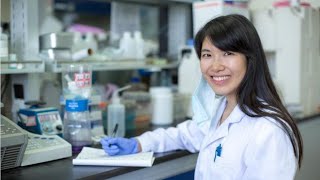
Medical laboratory technologists (MLTs) are essential healthcare detectives who perform complex laboratory tests on patient samples like blood, urine, and tissue. Their meticulous work provides critical information that doctors rely on to diagnose diseases, select treatments, and monitor patient health, making them a vital part of the healthcare team, even though they often work behind the scenes.
6
Skills to Learn
4
Career Levels
5
Top Companies
2
Education Paths
Sneak Peek
Ever wondered how doctors figure out what's wrong with you? It's not always about what they see, but what the lab tests reveal! Are you curious about the science behind diagnosing illnesses and how tiny samples can unlock big health mysteries?
What does a Medical Laboratory Technologist do?
A Medical Technologist performs complex laboratory tests on patient samples to help physicians diagnose and treat diseases. They work with various instruments and technologies to analyze blood, tissue, and other body fluids.
- Salary in India
- ₹2 to ₹6 lakh a year
- Demand
- Growing
- Remote work
- Location-Bound
- Industry
- Healthcare
Is This Career For You?
Discover if your personality matches this career
Your Personality Fit (RIASEC)
You enjoy exploring and solving complex problems through careful analysis and experimentation, much like a medical technologist analyzing lab samples.
You like helping others and working collaboratively, which is key when your work directly impacts patient care and involves teamwork with other healthcare professionals.
You are practical and hands-on, enjoying working with tools and equipment to perform specific tasks, which is central to laboratory procedures.
You value order, structure, and accuracy in your work, which is essential for maintaining precise lab results and following protocols.
This role is less about leading or persuading others and more about detailed, independent technical work.
While creativity can be applied, this role is less focused on self-expression and more on objective analysis and adherence to procedures.
You'll Love This Career If...
Like what you see? Get full access.
Save this career, compare with others, and get your personalized career plan.
50,000+ students already signed up
A Day in the Life
What your typical workday looks like
Imagine starting your day by carefully receiving and labeling patient samples, ensuring each one is ready for analysis. You’ll then use sophisticated equipment, like automated analyzers and microscopes, to run a variety of tests – perhaps checking for infections, analyzing blood counts, or measuring chemical levels. Double-checking your results and troubleshooting any equipment issues are also part of the routine, all before documenting your findings for the doctor to review. It’s a day filled with precision, science, and a direct connection to patient care, even without direct patient interaction.
Myth vs Reality
Tap to reveal the truth behind common misconceptions
Skills You'll Need
Master these to excel in this career
Technical Skills
2Clinical Pathology
Understanding of diseases and lab tests.
Quality Control Procedures
Ensuring the accuracy and reliability of lab results.
Soft Skills
3Communication Skills
Ability to convey information clearly and effectively.
Attention to Detail
High level of accuracy in lab work.
Team Collaboration
Working well with others in a lab setting.
Domain Skills
1Laboratory Management
Overseeing lab operations and staff.
Tools of the Trade
Software and tools you'll work with daily
Hardware
Microscope
Used to magnify small samples like cells and microorganisms for detailed examination.
Centrifuge
Spins samples at high speeds to separate components, like separating blood cells from plasma.
Spectrophotometer
Measures the intensity of light as it passes through a sample, used to determine the concentration of substances.
Automated Laboratory Analyzers
Sophisticated machines that perform a wide range of tests on samples like blood and urine with speed and precision.
Software
Laboratory Information System (LIS)
Software used to manage lab data, track samples, and report test results efficiently and accurately.
Want to build these skills?
Get a personalized learning roadmap and save careers that match your profile.
50,000+ students already signed up
Your Learning Path
Step-by-step guide to getting started
Explore the Science Basics
Start by focusing on foundational science subjects in high school like biology, chemistry, and math. These subjects will build the groundwork for understanding the complex processes you'll encounter later.
Earn Your Bachelor's Degree
Pursue a 4-5 year bachelor's degree in Medical Technology, a related life science, or another scientific field. Focus on courses in general chemistry, organic chemistry, biology, hematology, immunology, and statistics.
Complete an Accredited Program & Get Certified
Consider completing an accredited Medical Technology program to gain job-specific skills. Then, prepare for and pass certification exams (like those from ASCP or AMT) which are often required for licensing and enhance job prospects.
Gain Experience and Specialize
Begin your career in an entry-level role. As you gain experience, you can specialize in areas like blood banking, chemistry, microbiology, or immunology, becoming an expert in your chosen lab discipline.
Career Progression
How your career will grow over time
Junior Medical Technologist
EntryBeginning-level role focused on fundamental laboratory tasks and sample analysis.
- Organizing and sanitizing laboratory spaces
- Operating testing equipment
- Cataloging specimens
Medical Technologist
Mid-LevelMid-level role with increased responsibility and involvement in complex testing procedures.
- Performing advanced diagnostic tests
- Maintaining laboratory equipment
- Training junior staff
Senior Medical Technologist
SeniorSenior role managing laboratory operations, overseeing staff, and implementing new technologies.
- Supervising laboratory operations
- Ensuring regulatory compliance
- Leading quality assurance initiatives
Laboratory Manager
LeadershipLeadership role focused on strategic decision-making, department management, and long-term planning.
- Managing laboratory departments
- Developing strategic plans
- Mentoring staff
Education Paths
Post-Secondary Certificate/Diploma
Associate Degree
Clinical Laboratory Science
Bachelor's Degree
Bachelor's Degree
Clinical Laboratory Science
Top Hiring Companies
Salary & Future Growth
What you can earn and where the industry is headed
Salary Progression (INR)
Future Career OutlookCurrent Market: Growing
The job outlook for Medical Technologists is projected to be strong, with growing demand driven by advancements in medical technology and an increasing need for diagnostic testing. The field is benefiting from the expansion of AI and digital health solutions in healthcare.
In the medium to long term, Medical Technologists will continue to be essential as healthcare systems increasingly rely on accurate diagnostics and data analysis. The integration of AI and automated systems in labs may change some day-to-day tasks, but the need for skilled professionals to oversee, interpret, and manage these technologies will remain high. Personalized medicine and complex diagnostics will also fuel sustained demand.
Looking further ahead, Medical Technologists will likely play a crucial role in emerging areas such as genomics, advanced diagnostics, and the interpretation of data from sophisticated medical devices. The field is expected to evolve alongside technological advancements, requiring continuous learning and adaptation. The demand is anticipated to remain robust, though the specific tasks may shift with innovation.
Not sure if Medical Laboratory Technologist is right for you?
Talk to a Stride counsellor for personalised guidance on whether this career fits your interests, strengths, and goals.
Watch & Learn
Curated videos to help you explore



Helpful Resources
Articles and guides for deeper learning
Frequently Asked Questions
Quick answers to common questions
QWhat kind of education is required?
Typically, a bachelor's degree in medical technology, clinical laboratory science, or a related science field is required. Certification is often necessary as well.
QWhat are the typical work environments for a Medical Technologist?
Medical Technologists usually work in hospital laboratories, but can also be found in clinics, diagnostic testing centers, public health facilities, and research institutions.
Explore All 1,500+ Careers
Browse our full career explorer or take an assessment to get personalised recommendations.