Embedded Software Developer
Also known as: Embedded Developer, Firmware Engineer
Embedded Software Developers are the master builders of the digital world within physical devices. They write the code that tells everything from your smart TV to the anti-lock brakes in a car exactly what to do. Think of them as the architects and construction crew for the brains inside everyday objects, making sure they function smoothly, efficiently, and reliably.
6
Skills to Learn
4
Career Levels
25
Top Companies
2
Education Paths
Sneak Peek
Ever wondered how your favorite video game console, smartphone, or even your car’s navigation system works its magic? It’s often thanks to the brilliant minds of Embedded Software Developers who bring these complex devices to life!
What does an Embedded Software Developer do?
Embedded Software Developers are the master builders of the digital world within physical devices. They write the code that tells everything from your smart TV to the anti-lock brakes in a car exactly what to do. Think of them as the architects and construction crew for the brains inside everyday objects, making sure they function smoothly, efficiently, and reliably.
- Demand
- Growing
- Remote work
- Hybrid
- Industry
- Information Technology
Is This Career For You?
Discover if your personality matches this career
Your Personality Fit (RIASEC)
You enjoy working with your hands and on tangible things, like building and fixing.
You like to solve problems, analyze information, and figure out how things work.
You appreciate structure and following specific processes, which is key in development.
There's an element of driving projects, but less about leadership or sales.
While collaboration is needed, the core work is less about direct social interaction.
Less focus on creative expression, more on logical systems.
You'll Love This Career If...
Like what you see? Get full access.
Save this career, compare with others, and get your personalized career plan.
50,000+ students already signed up
A Day in the Life
What your typical workday looks like
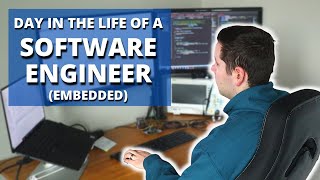
Imagine starting your day by diving into a complex system, perhaps a new piece of smart home technology. You might spend your morning debugging code that’s not quite making the lights dim at the right time, collaborating with hardware engineers to understand why a sensor isn’t responding. After lunch, you could be designing the software that will control a drone’s flight path or optimizing the code for a medical device to ensure it operates with pinpoint accuracy. The afternoon might involve testing your creations, ensuring they meet all safety and performance standards, before documenting your work and planning for the next challenge.
Myth vs Reality
Tap to reveal the truth behind common misconceptions
Skills You'll Need
Master these to excel in this career
Technical Skills
3C Programming
A fundamental language for embedded systems.
Real-Time Operating Systems (RTOS)
Operating systems designed for real-time applications.
Debugging Tools
Tools used to identify and fix errors in code.
Soft Skills
2Problem-Solving
Ability to identify and resolve issues effectively.
Team Collaboration
Working effectively with others in a team environment.
Domain Skills
1Embedded Systems Design
Understanding of how to design and implement embedded systems.
Tools of the Trade
Software and tools you'll work with daily
Software
C/C++
The primary programming languages used for embedded systems due to their efficiency and control.
IDE (e.g., VS Code, Eclipse, Keil)
Integrated Development Environments provide tools for writing, debugging, and compiling code.
RTOS (Real-Time Operating System)
Operating systems designed for time-critical applications, ensuring tasks are completed within deadlines.
Version Control (e.g., Git)
Tools to manage code changes, collaborate with others, and track project history.
Hardware
Debugger (e.g., JTAG, SWD)
Hardware tools used to step through code execution on the target device and inspect its state.
Microcontrollers/Microprocessors
The actual chips that run the embedded software, like ARM, PIC, or ESP32.
Logic Analyzer / Oscilloscope
Tools to visualize and analyze electrical signals, helping to debug hardware-software interactions.
Want to build these skills?
Get a personalized learning roadmap and save careers that match your profile.
50,000+ students already signed up
Your Learning Path
Step-by-step guide to getting started
Learn the Fundamentals of Programming
Start with a foundational programming language like Python or C. Focus on understanding variables, data types, control structures (loops, conditionals), and functions. Many online resources and tutorials can help you get started.
Dive into C/C++ for Embedded Systems
Since C and C++ are dominant in embedded development, gain a solid understanding of these languages. Pay close attention to pointers, memory management, and data structures, as these are critical for working with hardware.
Understand Microcontrollers and Basic Electronics
Get familiar with the basics of how microcontrollers work. Learn about their architecture, memory, and peripherals (like GPIO, UART, SPI, I2C). A simple electronics kit can help you understand concepts like voltage, current, and basic circuits.
Start with Embedded Projects and Tools
Begin working on small embedded projects using development boards (like Arduino or Raspberry Pi Pico). Learn to use an IDE, a debugger, and version control. Try simple tasks like blinking LEDs, reading sensors, and communicating with other devices.
Career Progression
How your career will grow over time
Junior Embedded Software Developer
EntryFocuses on learning and contributing to various aspects of embedded systems development.
- Implementing basic software functionalities
- Assisting in debugging and testing
- Learning about hardware-software integration
Embedded Software Developer
Mid-LevelTakes on more responsibility, including design and implementation of software for embedded systems.
- Designing and implementing software modules
- Collaborating with hardware engineers
- Conducting system testing
Senior Embedded Software Developer
SeniorLeads projects and provides technical guidance to junior developers.
- Leading project development
- Mentoring junior developers
- Ensuring code quality and performance
Embedded Systems Manager
LeadershipOversees the entire embedded systems development process and makes strategic decisions.
- Managing development teams
- Setting technical direction
- Ensuring project delivery on time and within budget
Education Paths
Bachelor's Degree
B.Tech
Computer Science
Master's Degree
M.Sc
Embedded Systems Engineering
Top Hiring Companies
Salary & Future Growth
What you can earn and where the industry is headed
Salary Progression (INR)
Future Career OutlookCurrent Market: Growing
The demand for embedded software developers is currently strong, as these professionals are crucial for developing the software that powers a vast array of devices, from everyday consumer electronics to complex industrial systems. The increasing integration of technology into physical products continues to drive the need for skilled developers in this field.
Over the medium to long term, the outlook for embedded software developers remains very positive. The continued expansion of the Internet of Things (IoT), advancements in autonomous systems, and the growth of smart devices in homes and industries will consistently require specialized software. As these technologies become more sophisticated, the need for developers who can create efficient, reliable, and secure embedded systems will only increase.
In the very long term, embedded software development is expected to remain a vital field. Innovations in areas like artificial intelligence at the edge, advanced robotics, and next-generation embedded systems for critical infrastructure will sustain demand. The fundamental role of software in controlling and optimizing physical hardware ensures its enduring importance.
Not sure if Embedded Software Developer is right for you?
Talk to a Stride counsellor for personalised guidance on whether this career fits your interests, strengths, and goals.
Watch & Learn
Curated videos to help you explore


Helpful Resources
Articles and guides for deeper learning
Frequently Asked Questions
Quick answers to common questions
QWhat kind of devices do embedded software developers work on?
Embedded software developers work on a huge variety of devices, including smartphones, smart TVs, cars, medical equipment, industrial robots, smart home appliances, and even tiny sensors used in agriculture. Essentially, any device with a computer chip that performs a specific task usually runs on embedded software.
QDo I need to be good at hardware to be an embedded software developer?
While a strong understanding of hardware is beneficial and often necessary, you don't need to be an expert hardware designer. Embedded software developers need to understand how their software interacts with the hardware, including microcontrollers, sensors, and memory. This knowledge helps them write efficient code that works well with the physical components.
QWhat programming languages are most common for embedded software development?
The most common programming languages are C and C++. These languages offer the low-level control and efficiency needed for embedded systems. Assembly language is also used for highly specialized, performance-critical tasks. Increasingly, Python is also being used for higher-level embedded tasks and scripting.
Explore All 1,500+ Careers
Browse our full career explorer or take an assessment to get personalised recommendations.