Orthotist and Prosthetist
Also known as: Orthotist, Prosthetist, BPO
As an Orthotist and Prosthetist, you are a healthcare professional who designs and creates custom artificial limbs (prosthetics) and supportive braces (orthotics). You work with patients who have lost limbs or have conditions that require extra support, helping them regain movement, function, and independence. It’s a unique field that combines medical knowledge with hands-on technical skill to dramatically improve a person's quality of life.
6
Skills to Learn
5
Career Levels
5
Top Companies
1
Education Paths
Sneak Peek
Ever wondered how people who have lost a limb or have a physical disability regain mobility and independence? What if you could be the person who designs and creates the tools that make that possible?
What does an Orthotist and Prosthetist do?
You are a healthcare professional who designs and creates custom artificial limbs (prosthetics) and supportive braces (orthotics). You work with patients who have lost limbs or have conditions that require extra support, helping them regain movement, function, and independence. It’s a unique field that combines medical knowledge with hands-on technical skill to dramatically improve a person's quality of life.
- Salary in India
- ₹4 to ₹12 lakh a year
- Demand
- Growing
- Remote work
- Location-Bound
- Industry
- Healthcare
Is This Career For You?
Discover if your personality matches this career
Your Personality Fit (RIASEC)
You are motivated by helping others and making a positive impact on their lives.
You enjoy understanding how things work and solving complex problems.
You like working with your hands and with tangible results.
You value structure, precision, and following established procedures.
You appreciate creativity and innovative solutions.
You are comfortable taking charge and influencing others.
You'll Love This Career If...
Like what you see? Get full access.
Save this career, compare with others, and get your personalized career plan.
50,000+ students already signed up
A Day in the Life
What your typical workday looks like
Your day typically involves meeting with patients, understanding their needs, and collaborating with doctors and therapists. You'll spend time designing, measuring, and fitting custom devices like artificial limbs (prosthetics) or supportive braces (orthotics). A significant part of your day also includes educating patients on how to use and care for their devices, ensuring they are comfortable and functional.
Myth vs Reality
Tap to reveal the truth behind common misconceptions
Skills You'll Need
Master these to excel in this career
Technical Skills
2Material Fabrication
Proficiency in working with various thermoplastic and thermoset materials, carbon fiber, and metals for orthotic device construction.
Manual Dexterity
Fundamental for precise cutting, shaping, molding, and finishing of materials, directly impacting the quality and fit of the orthotic device.
Soft Skills
3Problem-Solving
Essential for troubleshooting fabrication challenges, adapting designs to unique patient needs, and addressing issues with materials or equipment.
Attention to Detail
Critical for ensuring precise measurements, correct device alignment, and patient comfort, as even slight errors can compromise device effectiveness.
Communication Skills
Important for understanding specifications from orthotists, collaborating with team members, and occasionally clarifying requirements.
Domain Skills
1Anatomy and Physiology Knowledge
Understanding of musculoskeletal anatomy, joint function, and common pathologies relevant to orthotic intervention.
Tools of the Trade
Software and tools you'll work with daily
Software
3D Scanners and CAD/CAM Software
Used for precisely measuring and designing custom devices digitally.
Electronic Health Records (EHR) Systems
Digital systems for managing patient information, treatment plans, and billing.
Hardware
Goniometers and Dynamometers
Tools to measure angles of joints and forces, helping assess patient movement.
Vacuum Forming Machines and Ovens
Used to shape and mold specialized plastics and materials for devices.
Grinders, Saws, and Hand Tools
Essential for shaping, refining, and assembling the components of braces and limbs.
Want to build these skills?
Get a personalized learning roadmap and save careers that match your profile.
50,000+ students already signed up
Your Learning Path
Step-by-step guide to getting started
Explore Human Body Basics
Start with understanding human anatomy, physiology, and how the body moves. Biology classes in high school are a great start!
Get a Handle on Materials and Design
Learn about different materials and basic engineering or design principles. This could involve physics classes or introductory engineering courses.
Pursue Higher Education
Earn a Master's degree in Prosthetics and Orthotics from an accredited program. This is where you'll dive deep into the specialized knowledge.
Gain Practical Experience and Certification
Complete a residency program and pass certification exams (like ABC) to become a fully qualified professional.
Career Progression
How your career will grow over time
NCOPE Resident
EntryAssisting in patient evaluation and device fitting under close supervision.
- Assisting in patient evaluations.
- Assisting in device fittings.
Certified Assistant
EntrySupporting certified practitioners in patient care and device management.
- Supporting patient evaluations.
- Assisting in device management.
Staff Orthotist/Prosthetist
Mid-LevelIndependently managing patient care and device fitting.
- Managing patient evaluations.
- Fitting and adjusting devices.
Senior Orthotist/Prosthetist
SeniorTaking on complex case management and mentoring roles.
- Managing complex cases.
- Mentoring junior staff.
Department Manager
LeadershipFocusing on strategic planning and leadership within the department.
- Strategic planning.
- Leadership roles.
Education Paths
Master's Degree
Prosthetics and Orthotics
Top Hiring Companies
Salary & Future Growth
What you can earn and where the industry is headed
Salary Progression (INR)
Future Career OutlookCurrent Market: Growing
The demand for orthotists and prosthetists is projected to grow significantly in the coming years, driven by an aging population, increasing rates of diabetes and vascular disease, and advancements in prosthetic technology. These factors contribute to a robust job outlook.
The long-term outlook for orthotists and prosthetists remains very positive. As medical technology continues to advance, the demand for personalized prosthetic and orthotic devices is expected to increase. An aging population and a greater focus on rehabilitation and quality of life will also sustain demand.
The field of orthotics and prosthetics is poised for continued growth, fueled by ongoing innovations in materials science, 3D printing, and robotics. The increasing prevalence of chronic conditions and the desire for greater independence among individuals with physical challenges suggest a sustained demand for skilled professionals.
Not sure if Orthotist and Prosthetist is right for you?
Talk to a Stride counsellor for personalised guidance on whether this career fits your interests, strengths, and goals.
Watch & Learn
Curated videos to help you explore


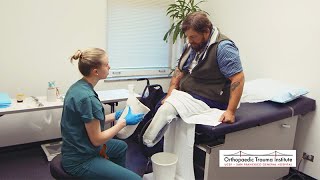


Helpful Resources
Articles and guides for deeper learning
Frequently Asked Questions
Quick answers to common questions
QWhat is the difference between an orthotist and a prosthetist?
An orthotist designs and fits braces or supports (orthoses) for people with musculoskeletal weaknesses or deformities. A prosthetist designs, fabricates, and fits artificial limbs (prostheses) for individuals who have lost limbs.
QWhat kind of education is required?
Typically, a Master's degree in Orthotics and Prosthetics is required, followed by a clinical residency and national certification. A Bachelor's degree in a related scientific or engineering field is usually a prerequisite for the Master's program.
QWhat are the key skills for this role?
Key skills include a deep understanding of anatomy and physiology, biomechanics, materials science, patient assessment, and fabrication techniques. Strong soft skills like empathy, problem-solving, and communication are also crucial.
QWhat is the work environment like?
Orthotists and prosthetists primarily work in clinical settings such as private practices, hospitals, and rehabilitation centers. The work involves both direct patient interaction and hands-on fabrication in a lab setting.
Explore All 1,500+ Careers
Browse our full career explorer or take an assessment to get personalised recommendations.