Veterinarian
Also known as: vet, animal doctor
A veterinarian, or animal doctor, is a medical professional dedicated to the health and well-being of animals. They diagnose and treat a wide range of illnesses, injuries, and conditions in animals, from common pets to livestock and exotic species. Veterinarians provide preventive care like vaccinations and routine check-ups, offer emergency medical and surgical services, and educate pet owners on proper animal care, nutrition, and behavior. Some also contribute to animal health research, developing new treatments and understanding how environmental factors impact animal health.
8
Skills to Learn
6
Career Levels
10
Top Companies
2
Education Paths
Sneak Peek
Do you dream of a career healing animals and making a real difference in their lives? What if you could be the voice for those who can't speak for themselves, ensuring their health and happiness?
Is This Career For You?
Discover if your personality matches this career
Your Personality Fit (RIASEC)
You enjoy solving problems, researching, and figuring out how things work, which is key to diagnosing animal illnesses and injuries.
You like helping others and working with people, which is essential when comforting pet owners and explaining treatments.
You enjoy hands-on work and practical problem-solving, which is vital for physical examinations, treatments, and surgeries.
There's a structured aspect to medical procedures and record-keeping, but it's balanced with the investigative and social elements.
This role involves some business aspects, especially in practice ownership, but it's not the main focus.
While not the primary focus, creativity can be helpful in finding unique solutions to complex animal health issues.
You'll Love This Career If...
Like what you see? Get full access.
Save this career, compare with others, and get your personalized career plan.
50,000+ students already signed up
A Day in the Life
What your typical workday looks like
Your day as a veterinarian often starts early, perhaps with checking on animals that stayed overnight for treatment. You might then head into your clinic or to a farm for scheduled appointments, examining pets for routine check-ups and vaccinations, or diagnosing and treating sick or injured animals. Your day could involve anything from performing a surgery on a dog with a broken bone to giving advice to a farmer about their herd's health. You'll also spend time documenting patient records, consulting with owners, and possibly responding to urgent cases that come in unexpectedly.
Myth vs Reality
Tap to reveal the truth behind common misconceptions
Skills You'll Need
Master these to excel in this career
Technical Skills
3Surgical Skills
Ability to perform surgical procedures on animals.
Manual Dexterity
Skill in performing delicate tasks with precision.
Veterinary Software
Proficiency in using software for managing patient records and treatments.
Soft Skills
3Communication Skills
Ability to effectively communicate with pet owners and colleagues.
Problem-Solving
Ability to diagnose and treat animal health issues.
Empathy
Understanding and sharing the feelings of animals and their owners.
Domain Skills
2Animal Anatomy
Knowledge of the structure and function of animal bodies.
Pharmacology
Understanding of drugs and their effects on animals.
Tools of the Trade
Software and tools you'll work with daily
Hardware
Stethoscope
Used to listen to an animal's heart, lungs, and intestines.
X-ray machine
Takes images of the inside of an animal's body to diagnose fractures, foreign objects, or diseases.
Surgical instruments
Specialized tools used for performing operations on animals.
Microscope
Used to examine blood, tissue, or other samples at a microscopic level.
Ultrasound machine
Uses sound waves to create images of internal organs, often used for diagnosing pregnancies or abdominal issues.
Anesthesia machine
Delivers precise amounts of anesthetic gases to keep animals sedated and safe during surgery.
Software
Veterinary Information Management System (VIMS)
Software used to manage patient records, appointments, billing, and inventory.
Want to build these skills?
Get a personalized learning roadmap and save careers that match your profile.
50,000+ students already signed up
Your Learning Path
Step-by-step guide to getting started
High School Foundation
Focus on science classes like biology, chemistry, and physics. Volunteer at animal shelters or vet clinics to gain experience and confirm your interest.
Undergraduate Studies
Earn a bachelor's degree, often in a science-related field. Complete prerequisite courses required by veterinary schools, such as advanced biology, chemistry, and math. Continue gaining hands-on animal experience.
Veterinary School
Complete a Doctor of Veterinary Medicine (DVM) program, which typically takes 4 years. This involves intensive coursework in anatomy, physiology, pharmacology, surgery, and internal medicine, along with clinical rotations.
Licensure and Specialization
Pass national and state/provincial licensing exams to practice. After gaining experience, you can pursue specialized internships and residencies to become a board-certified specialist in areas like surgery, oncology, or cardiology.
Career Progression
How your career will grow over time
Veterinary Assistant
EntrySupporting veterinarians and technicians with basic animal care tasks.
- Cleaning and maintaining animal facilities
- Assisting with examinations and treatments
- Handling and restraining animals
- Administering medications and treatments under supervision
Veterinary Technician
Mid-LevelPerforming diagnostic tests, administering medications, and assisting in surgeries.
- Conducting lab tests and analyses
- Monitoring anesthesia during surgeries
- Administering medications and vaccinations
- Educating pet owners on animal care
Associate Veterinarian
Mid-LevelProviding general veterinary care under the supervision of a senior veterinarian.
- Diagnosing and treating illnesses and injuries
- Performing surgeries and dental procedures
- Advising clients on pet care and nutrition
- Maintaining medical records
Senior Veterinarian
SeniorLeading a veterinary team and providing specialized care.
- Overseeing clinical operations
- Performing complex surgeries and procedures
- Mentoring junior veterinarians and technicians
- Participating in continuing education and research
Veterinary Specialist
LeadershipFocusing on a specific area of veterinary medicine, such as surgery or internal medicine.
- Conducting advanced diagnostic tests
- Performing specialized surgeries
- Leading research projects
- Publishing findings in scientific journals
Veterinary Clinic Owner
LeadershipOwning and managing a veterinary clinic.
- Overseeing business operations
- Hiring and managing staff
- Ensuring compliance with regulations
- Building relationships with clients and the community
Education Paths
Bachelor's Degree
Pre-Veterinary Studies
Biology or related field
Doctoral Degree
Doctor of Veterinary Medicine (DVM)
Veterinary Medicine
Top Hiring Companies
Salary & Future Growth
What you can earn and where the industry is headed
Salary Progression (INR)
Future Career OutlookCurrent Market: Growing
The veterinary field is experiencing a growing demand, with a significant number of practices facing vacancies. There's an increasing need for veterinary professionals to address the rising pet population and evolving client expectations. However, the profession also faces challenges related to burnout and work-life balance, indicating a need for systemic changes to support practitioners.
The demand for veterinary services is projected to continue growing, driven by increased pet ownership and a greater focus on animal health and welfare. Advancements in veterinary medicine will also create new opportunities. Addressing current retention issues and improving work conditions will be crucial for sustained growth and to meet future demands.
The long-term outlook for veterinarians remains strong, with the profession playing a vital role in public health, food safety, and animal well-being. As society's reliance on veterinary expertise continues, the field is expected to adapt and evolve, potentially incorporating new technologies and specializations. Ensuring a sustainable and well-supported workforce will be key to meeting these future challenges.
Not sure if Veterinarian is right for you?
Talk to a Stride counsellor for personalised guidance on whether this career fits your interests, strengths, and goals.
Explore Related Careers
Similar paths you might also enjoy
Watch & Learn
Curated videos to help you explore


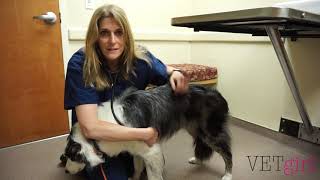


Helpful Resources
Articles and guides for deeper learning
Frequently Asked Questions
Quick answers to common questions
QWhat is the typical work environment for a veterinarian?
Veterinarians often work in veterinary hospitals, clinics, or animal care facilities. The environment can be fast-paced, especially during emergencies, and involves close collaboration with veterinary technicians and other staff. Some veterinarians may also work in research, academia, or government roles.
QWhat are the biggest challenges facing veterinarians today?
Key challenges include high rates of burnout due to demanding workloads, long hours, and emotional stress. Retaining veterinarians in the profession is a significant concern, driven by issues like poor work-life balance and workplace stress. Staffing shortages are also prevalent, particularly in certain regions or practice types.
QHow is technology impacting veterinary practice?
Technology is transforming veterinary medicine with advancements in diagnostic imaging (like CT and MRI), minimally invasive surgical tools (endoscopes, laparoscopes), and sophisticated patient monitoring systems. Practice management software and electronic health records also improve efficiency and record-keeping.
QWhat is the difference between a veterinarian and a veterinary surgeon?
A veterinary surgeon is a veterinarian who has undergone extensive post-doctoral training and specialization in performing surgical procedures. While general veterinarians may perform routine surgeries, complex cases are typically referred to veterinary surgeons who have board certification in surgical specialties.
QAre there opportunities for veterinarians to work remotely?
Purely remote work is generally not feasible for most hands-on veterinary roles due to the need for physical examination and treatment of animals. However, some related fields like telehealth consultations, administrative roles, or certain research positions might offer more flexibility.
Explore All 1,500+ Careers
Browse our full career explorer or take an assessment to get personalised recommendations.