Consultant Dentist (Periodontology)
Also known as: Periodontist, Gum Specialist, Dental Implant Specialist
As a Consultant Dentist specializing in Periodontology, you are an expert in the prevention, diagnosis, and treatment of diseases affecting the gums and supporting structures of the teeth. You play a crucial role in helping patients maintain not only a healthy smile but also their overall systemic health, as gum disease is linked to various other health conditions. Your work involves everything from routine cleanings and deep scaling to more complex surgical procedures to address advanced gum issues and place implants.
8
Skills to Learn
4
Career Levels
5
Top Companies
4
Education Paths
Sneak Peek
Are you fascinated by the intricate details of gum health and how it impacts overall well-being? Do you enjoy solving complex problems with a hands-on approach?
What does a Consultant Dentist (Periodontology) do?
You are an expert in the prevention, diagnosis, and treatment of diseases affecting the gums and supporting structures of the teeth. You play a crucial role in helping patients maintain not only a healthy smile but also their overall systemic health, as gum disease is linked to various other health conditions.
- Salary in India
- ₹6 to ₹18 lakh a year
- Demand
- Stable
- Remote work
- Location-Bound
- Industry
- Healthcare
Is This Career For You?
Discover if your personality matches this career
Your Personality Fit (RIASEC)
You enjoy solving complex problems and investigating the root causes of issues, much like diagnosing and treating gum disease.
You like helping and interacting with people, which is key to educating patients about their oral health and treatment plans.
You are hands-on and enjoy working with tools and technology, which applies to performing dental procedures.
You might enjoy the aspects of practice management, patient consultation, and potentially leading a team or practice.
You appreciate order and structure, which is important for following treatment protocols and managing patient records.
While not the primary focus, attention to detail and a sense of aesthetics can be beneficial in creating functional and pleasing results.
You'll Love This Career If...
Like what you see? Get full access.
Save this career, compare with others, and get your personalized career plan.
50,000+ students already signed up
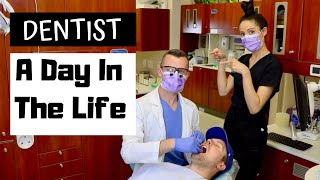
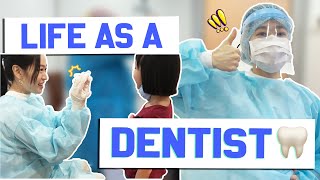
A Day in the Life
What your typical workday looks like
Your day typically begins with reviewing patient charts and planning procedures. You might spend your morning performing surgeries, such as gum grafts or dental implant placements, always focusing on precision and patient comfort. Afternoons could involve diagnosing and treating gum disease, consulting with patients about treatment options, and educating them on maintaining their oral hygiene. You may also collaborate with general dentists and other specialists to ensure comprehensive patient care, and some days might involve research or teaching if you are in an academic setting.
Myth vs Reality
Tap to reveal the truth behind common misconceptions
Skills You'll Need
Master these to excel in this career
Technical Skills
4Surgical Skills
Ability to perform various periodontal surgical procedures.
Research Skills
Capability to conduct and interpret periodontal research.
Diagnostic Tools
Proficiency in using diagnostic tools for periodontal assessments.
Treatment Planning
Skill in developing comprehensive periodontal treatment plans.
Soft Skills
3Patient Communication
Skill in explaining complex dental issues to patients.
Team Collaboration
Ability to work effectively with dental hygienists, assistants, and other healthcare professionals.
Continuous Learning
Commitment to staying updated with the latest advancements in periodontology.
Domain Skills
1Periodontology
Expertise in the study of diseases affecting the supporting structures of teeth.
Tools of the Trade
Software and tools you'll work with daily
Hardware
Dental Scalers and Curettes
Handheld instruments used to clean teeth and remove plaque and tartar from above and below the gum line.
Dental Drill (High-Speed Handpiece)
A tool used for precise cutting of bone and tooth structure during procedures like implant placement or root planing.
Dental Lasers
Used for soft tissue procedures, such as gum contouring or treating periodontal disease, often with less bleeding and faster healing.
Intraoral Camera
A small camera used to view the inside of the mouth, helping in patient education and documenting treatment progress.
3D Printers/Scanners
Used for creating precise models of a patient's mouth for implant planning, surgical guides, or custom restorations.
Software
Digital X-rays and Imaging Software
Allows dentists to capture detailed images of teeth, bone, and surrounding structures to aid in diagnosis and treatment planning.
Electronic Health Records (EHR) System
Digital system for managing patient information, treatment histories, and appointments efficiently and securely.
Want to build these skills?
Get a personalized learning roadmap and save careers that match your profile.
50,000+ students already signed up
Your Learning Path
Step-by-step guide to getting started
High School Foundation
Focus on strong grades in science classes like Biology, Chemistry, and Physics. Develop good study habits and communication skills through extracurriculars.
Undergraduate Studies & Dental Aptitude Test (DAT)
Earn a bachelor's degree, often in a science-related field. Excel in pre-dental coursework and prepare diligently for the DAT, a standardized test required for dental school admission.
Dental School (DDS/DMD)
Complete a rigorous 4-year dental program to earn your Doctor of Dental Surgery (DDS) or Doctor of Dental Medicine (DMD) degree. This covers all aspects of general dentistry.
Periodontology Residency
After dental school, complete an additional 3-year specialized residency program in Periodontology. This advanced training focuses on the prevention, diagnosis, and treatment of periodontal disease and the placement of dental implants.
Career Progression
How your career will grow over time
BDS Graduate
EntryBeginning dental practitioner focusing on general dentistry and foundational knowledge.
- Performing basic dental procedures
- Assisting in dental surgeries
- Maintaining patient records
Periodontology Intern
Mid-LevelDental professional undergoing specialized training in periodontology.
- Learning advanced periodontal procedures
- Assisting in periodontal surgeries
- Conducting patient consultations
Periodontist
SeniorQualified specialist in periodontology providing expert care for gum diseases.
- Diagnosing and treating periodontal conditions
- Performing periodontal surgeries
- Educating patients on oral hygiene
Senior Periodontist
LeadershipExperienced periodontist leading a team and overseeing complex cases.
- Managing a dental practice
- Mentoring junior periodontists
- Advising on advanced periodontal treatments
Education Paths
Lower Secondary
Upper Secondary
Bachelor's Degree
BDS
Dentistry
Master's Degree
MDS
Periodontology
Top Hiring Companies
Salary & Future Growth
What you can earn and where the industry is headed
Salary Progression (INR)
Future Career OutlookCurrent Market: Stable
Periodontists, a specialized type of dentist, focus on the gums and supporting bone structures of the teeth. This specialty involves diagnosing and treating conditions like gum disease, as well as placing implants and performing reconstructive surgery. The demand for these specialized skills is steady, with a projected growth rate similar to the average for all occupations.
As the population ages and awareness of oral health's link to overall health increases, the demand for specialized dental care, including periodontology, is expected to remain stable. Advances in dental technology and regenerative medicine may also open new avenues for treatment and practice.
The long-term outlook for periodontics appears stable, driven by the ongoing need for specialized oral healthcare. While specific treatment techniques may evolve with technological advancements, the fundamental role of a periodontist in maintaining oral health and supporting overall well-being is likely to persist.
Not sure if Consultant Dentist (Periodontology) is right for you?
Talk to a Stride counsellor for personalised guidance on whether this career fits your interests, strengths, and goals.
Watch & Learn
Curated videos to help you explore


Helpful Resources
Articles and guides for deeper learning
Frequently Asked Questions
Quick answers to common questions
QWhat is the difference between a general dentist and a periodontist?
A general dentist handles a wide range of dental needs, while a periodontist specializes in the prevention, diagnosis, and treatment of diseases affecting the gums and the structures that support the teeth, as well as the placement of dental implants.
QWhat kind of education is required to become a periodontist?
To become a periodontist, you typically need a Doctor of Dental Surgery (DDS) or Doctor of Dental Medicine (DMD) degree, followed by an additional 2-3 years of specialized residency training in periodontics.
QWhat are the main responsibilities of a periodontist?
Periodontists diagnose and treat gum disease, perform scaling and root planing, surgical procedures like gum grafts and bone regeneration, and place dental implants. They also focus on patient education for oral health maintenance.
QCan a periodontist work in different settings?
Yes, periodontists can work in private practice, group practices, academic institutions teaching and conducting research, or in public health roles focused on periodontal health.
QWhat is the salary range for a periodontist?
Salaries for periodontists can vary widely based on experience, location, and practice setting, but they generally earn a high income, reflecting the specialized nature of their work. The median annual wage for dentists was $179,210 in May 2024, with specialists often earning more.
Explore All 1,500+ Careers
Browse our full career explorer or take an assessment to get personalised recommendations.