Orthodontist
Also known as: orthodontics
Orthodontists are dental specialists who focus on diagnosing, preventing, and correcting misaligned teeth and jaws. They use a variety of treatments, like clear aligners or braces, to improve both the appearance and function of a patient's bite. By carefully planning and executing treatments, orthodontists help people achieve healthier, more confident smiles.
6
Skills to Learn
5
Career Levels
1
Top Companies
2
Education Paths
Sneak Peek
Ever wondered how those perfectly straight smiles are created without anyone noticing? Or perhaps you
What does an Orthodontist do?
Orthodontists are dental specialists who focus on diagnosing, preventing, and correcting misaligned teeth and jaws. They use a variety of treatments, like clear aligners or braces, to improve both the appearance and function of a patient's bite. By carefully planning and executing treatments, orthodontists help people achieve healthier, more confident smiles.
- Salary in India
- ₹15 to ₹30 lakh a year
- Demand
- Growing
- Remote work
- Hybrid
- Industry
- Healthcare
Is This Career For You?
Discover if your personality matches this career
Your Personality Fit (RIASEC)
Likes to solve problems, analyze information, and understand how things work.
Enjoys helping and interacting with people, understanding their needs.
Prefers structured environments, following procedures, and organizing information.
Enjoys working with their hands and using tools to build or fix things.
Likes to lead, persuade, and take on challenges.
Appreciates creativity and self-expression, though not the primary focus.
You'll Love This Career If...
Like what you see? Get full access.
Save this career, compare with others, and get your personalized career plan.
50,000+ students already signed up
A Day in the Life
What your typical workday looks like
Your day as an orthodontist often begins with reviewing patient charts and treatment plans. You might spend your morning consulting with new patients, examining their teeth and jaws, and discussing treatment options like Invisalign or braces. Afternoons could be filled with working on existing patients, adjusting braces, fitting aligners, and monitoring progress. You’ll also likely spend time collaborating with dental assistants and office staff to ensure smooth patient flow and exceptional care.
Myth vs Reality
Tap to reveal the truth behind common misconceptions
Skills You'll Need
Master these to excel in this career
Technical Skills
2Orthodontic Treatment Planning
Creating personalized treatment plans for patients.
Use of Orthodontic Tools
Skilled use of braces, aligners, and other orthodontic devices.
Soft Skills
2Patient Communication
Effectively communicating treatment plans and progress to patients.
Problem-Solving
Ability to diagnose and address dental misalignments.
Domain Skills
2Dental Anatomy
In-depth knowledge of dental structures and functions.
Continuing Education
Staying updated with the latest orthodontic techniques and research.
Tools of the Trade
Software and tools you'll work with daily
Hardware
Braces (metal, clear)
Devices attached to teeth to gradually move them into the desired position.
Aligners (e.g., Invisalign)
Removable clear trays that gradually move teeth.
Retainers
Custom-made devices, usually worn after braces, to keep teeth in their new positions.
Dental X-ray machines
Used to take images of teeth and jaws for diagnosis and treatment planning.
Intraoral scanners
Digital tools to create 3D models of a patient's mouth.
Software
Practice Management Software
Helps manage patient records, appointments, and billing.
3D Modeling Software
Used to design custom appliances and visualize treatment outcomes.
Want to build these skills?
Get a personalized learning roadmap and save careers that match your profile.
50,000+ students already signed up
Your Learning Path
Step-by-step guide to getting started
Explore the Basics of Biology and Chemistry
Start by taking biology and chemistry classes in high school. These subjects are the foundation for understanding how the human body and dental health work.
Earn a Bachelor's Degree
Complete a 4-year undergraduate degree, focusing on science courses like biology, chemistry, and physics. Consider joining science clubs or volunteering at a dental office for experience.
Graduate from Dental School
Get accepted into and complete a 4-year dental school program, where you'll learn all about dentistry, including hands-on clinical experience.
Complete an Orthodontic Residency
After dental school, pursue a 2-3 year specialized residency program in orthodontics to gain advanced training in treating teeth and jaw alignment.
Career Progression
How your career will grow over time
Dental Student
EntryA student currently enrolled in a dental school, learning foundational dental skills and knowledge.
- Attend lectures and labs
- Perform basic dental procedures under supervision
- Study dental anatomy and pathology
General Dentist
Mid-LevelA licensed dentist providing general dental care to patients.
- Diagnose and treat common dental issues
- Perform routine dental procedures
- Educate patients on oral hygiene
Orthodontic Resident
Mid-LevelA dentist undergoing specialized training in orthodontics.
- Learn advanced orthodontic techniques
- Work under the supervision of experienced orthodontists
- Gain hands-on experience with orthodontic appliances
Orthodontist
SeniorA fully trained and licensed orthodontist providing specialized orthodontic care.
- Diagnose and treat dental and jaw irregularities
- Design and fit braces and aligners
- Collaborate with other dental professionals for comprehensive patient care
Senior Orthodontist
LeadershipAn experienced orthodontist leading a practice or department.
- Manage a team of orthodontists and support staff
- Develop and implement treatment plans
- Mentor junior orthodontists and residents
Education Paths
Bachelor's Degree
B.D.S.
Dentistry
Master's Degree
M.D.S.
Orthodontics
Top Hiring Companies
Salary & Future Growth
What you can earn and where the industry is headed
Salary Progression (INR)
Future Career OutlookCurrent Market: Growing
Orthodontists are highly compensated dental specialists. The average annual wage for orthodontists is around $243,620, with many earning in the mid-$250,000s. This is significantly higher than general dentists, reflecting their specialized skills and the strong demand for orthodontic treatments like braces and aligners. Practice owners generally have the highest earning potential, with averages around $353,000 per year and some earning over $500,000. Employed orthodontists in corporate or DSO settings typically earn in the mid-$250,000s, with some potential for bonuses. There are regional variations in salary, with states like Michigan and Florida showing higher average incomes compared to states like South Carolina or Maine. While overall employment for dentists is projected to grow about as fast as the average, orthodontists benefit from a high demand for cosmetic and corrective dental procedures.
The demand for orthodontic services is expected to remain strong due to a growing emphasis on aesthetic dentistry and advancements in treatment technologies such as clear aligners. As more people seek to improve their smiles, the need for skilled orthodontists will continue. The integration of technology like AI for remote monitoring also suggests an evolving and modern practice environment. The specialized training required for orthodontists ensures a continued need for their expertise.
Orthodontics is a well-established dental specialty with a consistently high demand. While the field may see continued technological integration and evolving treatment approaches, the core need for straightening teeth and improving oral health is unlikely to diminish. The profession is projected to remain stable and lucrative for the foreseeable future, with opportunities for practice ownership offering significant long-term financial rewards.
Not sure if Orthodontist is right for you?
Talk to a Stride counsellor for personalised guidance on whether this career fits your interests, strengths, and goals.
Watch & Learn
Curated videos to help you explore


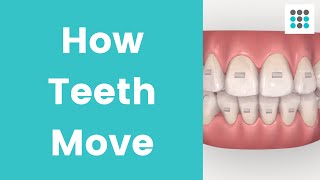

![So You Want to Be an ORTHODONTIST [Ep. 38]](https://i.ytimg.com/vi/SuBlvSjfSdQ/mqdefault.jpg)

Helpful Resources
Articles and guides for deeper learning
Frequently Asked Questions
Quick answers to common questions
QWhat is the typical education path for an orthodontist?
To become an orthodontist, you typically need a bachelor's degree, followed by a Doctor of Dental Surgery (DDS) or Doctor of Dental Medicine (DMD) degree. After dental school, you must complete an additional 2-3 year residency program specifically in orthodontics.
QWhat is the difference between an orthodontist and a general dentist?
General dentists focus on overall oral health, including routine check-ups, fillings, and basic procedures. Orthodontists are dental specialists who focus specifically on diagnosing and treating misaligned teeth and jaws, often using braces or clear aligners.
QCan orthodontists work remotely?
While the core of orthodontics requires in-person patient care, technology is enabling a 'hybrid' approach. Orthodontists can use software for remote monitoring of treatment progress, reducing the number of in-office visits for some check-ups, especially for patients using clear aligners. This means some aspects of their work can be managed remotely.
Explore All 1,500+ Careers
Browse our full career explorer or take an assessment to get personalised recommendations.