Cytogenetic Technologist
Also known as: Medical Laboratory Scientist - Cytogenetics, Genetic Technologist
A Cytogenetic Technologist is a specialized healthcare professional who analyzes chromosomes and genetic information from patient samples like blood or tissue. They prepare cell samples, examine them under a microscope, and identify any abnormalities or changes that could indicate genetic disorders, diseases like cancer, or other health conditions. Their work is vital for accurate diagnosis, personalized treatment plans, and understanding the genetic basis of diseases.
5
Skills to Learn
4
Career Levels
5
Top Companies
3
Education Paths
Sneak Peek
Ever wondered how doctors can detect genetic diseases or understand the best way to treat certain cancers before they even start? Imagine being at the forefront of this medical detective work, analyzing the very building blocks of life to help patients. A Cytogenetic Technologist plays a crucial role in unraveling these genetic mysteries, contributing directly to diagnosis and treatment. What does it take to be a genetic sleuth in a high-tech lab?
What does a Cytogenetic Technologist do?
A Cytogenetic Technologist is a specialized healthcare professional who analyzes chromosomes and genetic information from patient samples like blood or tissue. They prepare cell samples, examine them under a microscope, and identify any abnormalities or changes that could indicate genetic disorders, diseases like cancer, or other health conditions.
- Salary in India
- ₹3.5 to ₹7 lakh a year
- Demand
- Growing
- Remote work
- Location-Bound
- Industry
- Healthcare
Is This Career For You?
Discover if your personality matches this career
Your Personality Fit (RIASEC)
You enjoy exploring and understanding complex biological and scientific concepts.
You like working with your hands and using specialized equipment to conduct tests.
You follow strict protocols and procedures to ensure accuracy and safety in the lab.
You work as part of a healthcare team, contributing to patient well-being.
While not the primary focus, there's an element of meticulousness and precision akin to detailed artistry.
You might take initiative in your work, but the role is more focused on execution than leadership or sales.
You'll Love This Career If...
Like what you see? Get full access.
Save this career, compare with others, and get your personalized career plan.
50,000+ students already signed up
A Day in the Life
What your typical workday looks like
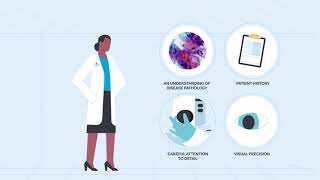
Your day starts with preparing patient samples, meticulously ensuring each one is ready for analysis. You'll then spend time at the microscope, carefully examining stained chromosomes, looking for any unusual patterns or structures. You'll document your findings, troubleshoot any issues with the equipment, and collaborate with other lab staff and doctors to discuss your results. It's a role that requires focus, precision, and a commitment to quality control throughout the entire process.
Myth vs Reality
Tap to reveal the truth behind common misconceptions
Skills You'll Need
Master these to excel in this career
Technical Skills
2Chromosome Analysis
Analyzing human chromosomes to detect abnormalities.
FISH Technique
Using fluorescence in situ hybridization to identify genetic abnormalities.
Soft Skills
2Attention to Detail
Ensuring accuracy in analyzing and interpreting genetic data.
Analytical Thinking
Applying logical reasoning to solve complex problems.
Domain Skills
1Genetic Counseling
Providing information and support to patients regarding genetic conditions.
Tools of the Trade
Software and tools you'll work with daily
Hardware
Microscope
Used to magnify cells and chromosomes to observe their structure and number.
Centrifuge
Spins samples at high speed to separate components, like cells from fluids.
Incubator
Maintains a controlled environment for cell cultures to grow.
DNA Sequencer
Analyzes the order of genetic material (DNA) to detect variations.
Software
Laboratory Information Management System (LIMS)
Software used to manage lab samples, experiments, and results, ensuring data accuracy and traceability.
Cytogenetics analysis software
Specialized programs to help analyze images of chromosomes and identify abnormalities.
Want to build these skills?
Get a personalized learning roadmap and save careers that match your profile.
50,000+ students already signed up
Your Learning Path
Step-by-step guide to getting started
Master the Basics in High School
Focus on science classes like biology and chemistry, and math. These subjects build the foundation for understanding genetics. Also, develop strong English skills for clear communication and report writing.
Get Your Bachelor's Degree
Earn a 4-year degree in a life science field like genetics, biology, or chemistry. During your studies, seek internships or volunteer in medical labs to gain practical experience.
Specialize with a Certificate Program
Complete a 1-2 year certificate program in cytogenetics. This advanced training provides the specialized skills needed for this specific role and can open doors to more responsibilities.
Gain Experience and Consider Certification
Work in a clinical or research lab setting. Many roles may require or prefer certification from a professional organization, demonstrating your expertise in the field.
Career Progression
How your career will grow over time
Junior Cytogenetic Technologist
EntryBeginner-level position assisting with routine lab tasks.
- Assisting in sample preparation
- Performing basic chromosome analysis
- Maintaining lab equipment
Cytogenetic Technologist
Mid-LevelIndependently performing chromosome and molecular analyses.
- Conducting chromosome analysis
- Using FISH and PCR techniques
- Interpreting genetic data
Senior Cytogenetic Technologist
SeniorAdvanced role with supervisory and research responsibilities.
- Supervising junior technologists
- Conducting advanced research
- Ensuring lab compliance
Lead Cytogenetic Technologist
LeadershipTop-level position with leadership and strategic responsibilities.
- Leading the cytogenetics department
- Developing new protocols
- Collaborating with other departments
Education Paths
Bachelor's Degree
B.Sc. in Medical Technology, Biology, or related field
Cytotechnology, Biology, or related fields
Post-Secondary Certificate/Diploma
Master's Degree
M.Sc. in Cytogenetic Technology
Cytogenetics
Top Hiring Companies
Salary & Future Growth
What you can earn and where the industry is headed
Salary Progression (INR)
Future Career OutlookCurrent Market: Growing
Cytogenetic technologists play a crucial role in diagnosing genetic disorders and certain cancers by analyzing chromosomes. This field is vital for disease diagnosis, with a growing demand driven by advancements in personalized medicine and an increasing incidence of chronic diseases, including cancer. The anatomic pathology market, which encompasses cytogenetics, is projected to grow significantly. Technologists are essential in hospitals and diagnostic laboratories, contributing to patient care by providing critical diagnostic information.
The integration of advanced technologies like digital pathology, artificial intelligence, and omics in routine histopathology is expected to reshape the field. While these technologies may automate some processes, the need for skilled professionals to operate, manage, and interpret results from these sophisticated systems will remain. The expanding applications in drug discovery and development, alongside the increasing complexity of diagnostic assays, suggest a sustained demand for cytogenetic technologists. The Asia-Pacific region is identified as the fastest-growing market, indicating global expansion opportunities.
The long-term outlook for cytogenetic technologists remains positive, supported by the continuous rise in cancer and chronic disease diagnoses, and the ongoing evolution of precision medicine. As genomic technologies become more integrated into routine diagnostics, the role of the technologist will likely evolve to incorporate more complex analyses and interpretations. While there are challenges like the shortage of skilled professionals and the high cost of advanced systems, these factors also underscore the value and demand for qualified individuals in this field. The increasing focus on early detection and personalized treatment strategies will continue to drive the need for cytogenetic analysis.
Not sure if Cytogenetic Technologist is right for you?
Talk to a Stride counsellor for personalised guidance on whether this career fits your interests, strengths, and goals.
Watch & Learn
Curated videos to help you explore




Helpful Resources
Articles and guides for deeper learning
Frequently Asked Questions
Quick answers to common questions
QWhat is the primary responsibility of a cytogenetic technologist?
A cytogenetic technologist's main job is to prepare, examine, and analyze chromosomes from patient samples to detect abnormalities that can cause genetic disorders or cancer.
QWhat kind of samples do cytogenetic technologists work with?
They work with various patient samples, including blood, bone marrow, and tissue, to study chromosomes.
QHow important is attention to detail in this role?
Attention to detail is extremely important, as even minor errors in sample preparation or analysis can lead to incorrect diagnoses.
QIs this a field that uses a lot of technology?
Yes, cytogenetic technologists use sophisticated laboratory equipment, including microscopes, genetic analyzers, and specialized software for analysis and reporting.
Explore All 1,500+ Careers
Browse our full career explorer or take an assessment to get personalised recommendations.